


Movement 1






Movement 2







Movement 3







Movement 4













Movement 5











_______________________
Technical and Other Notes
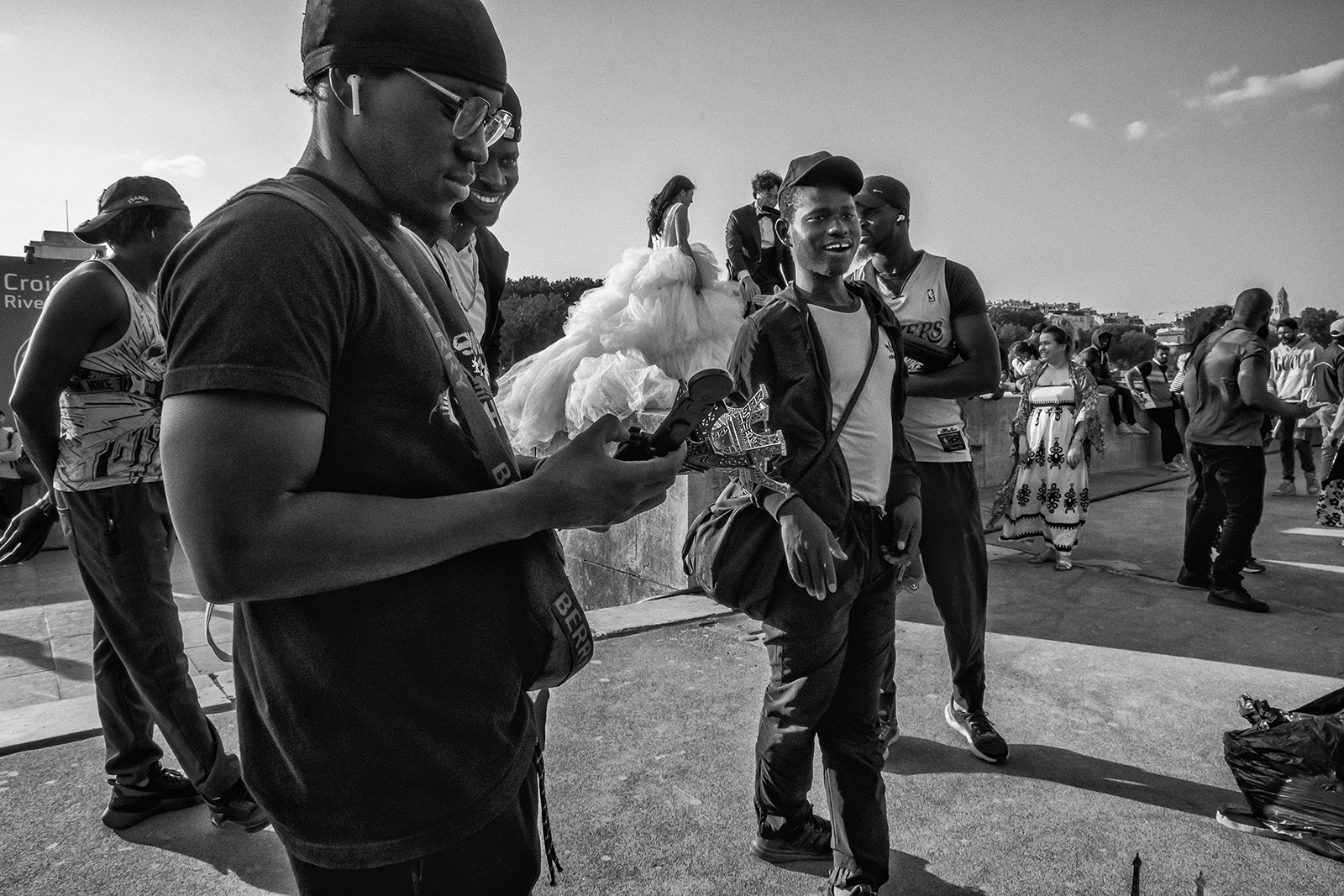
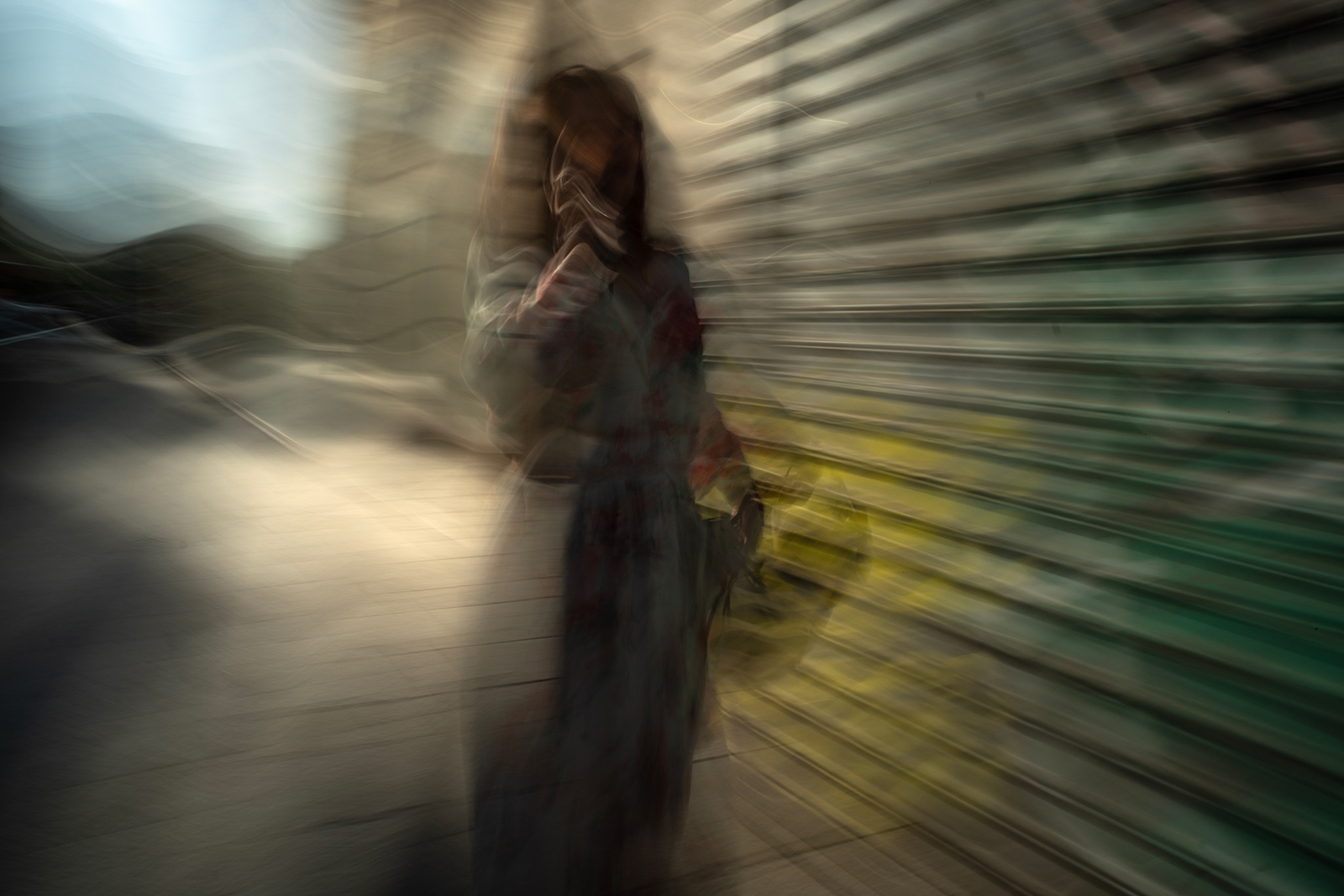
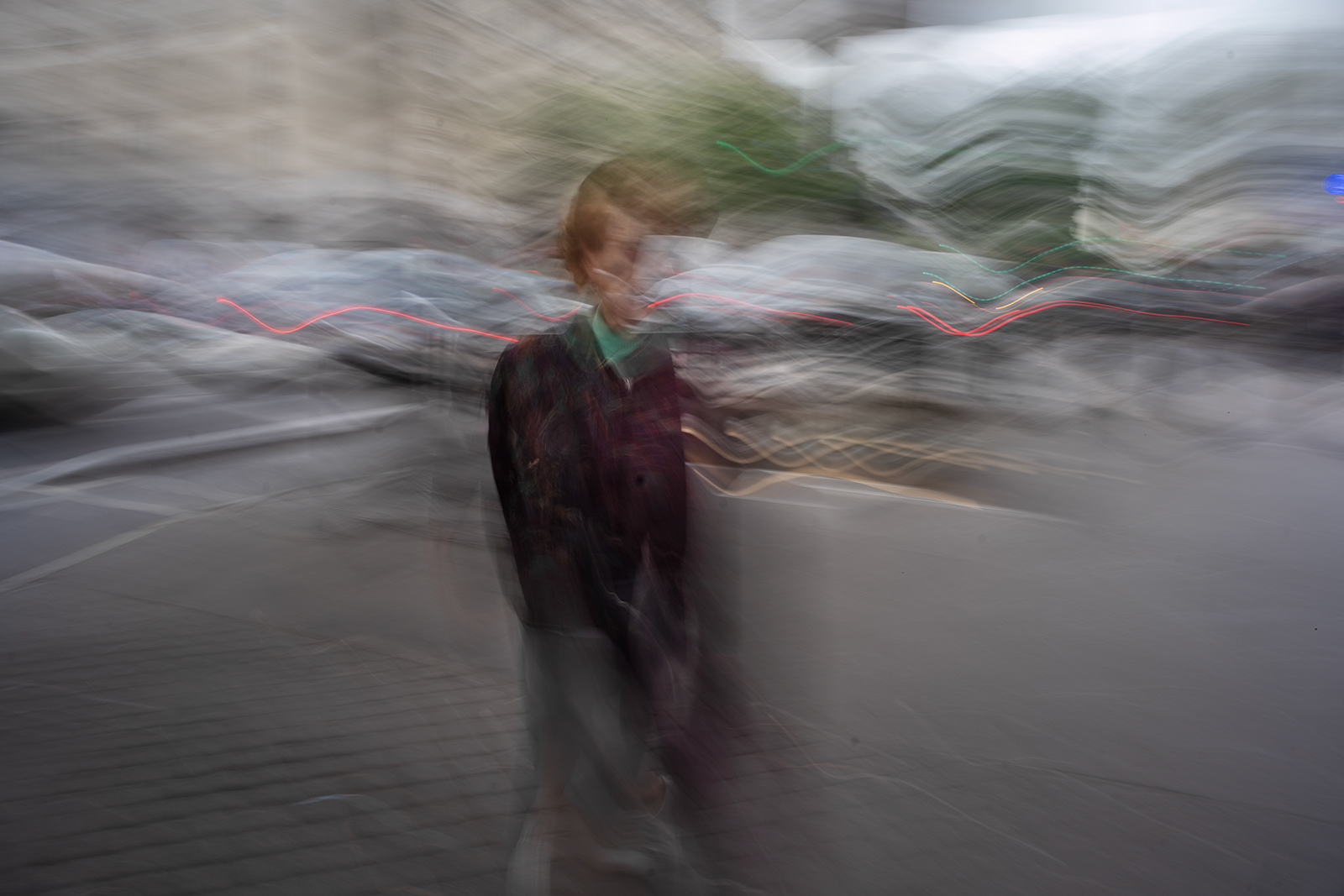
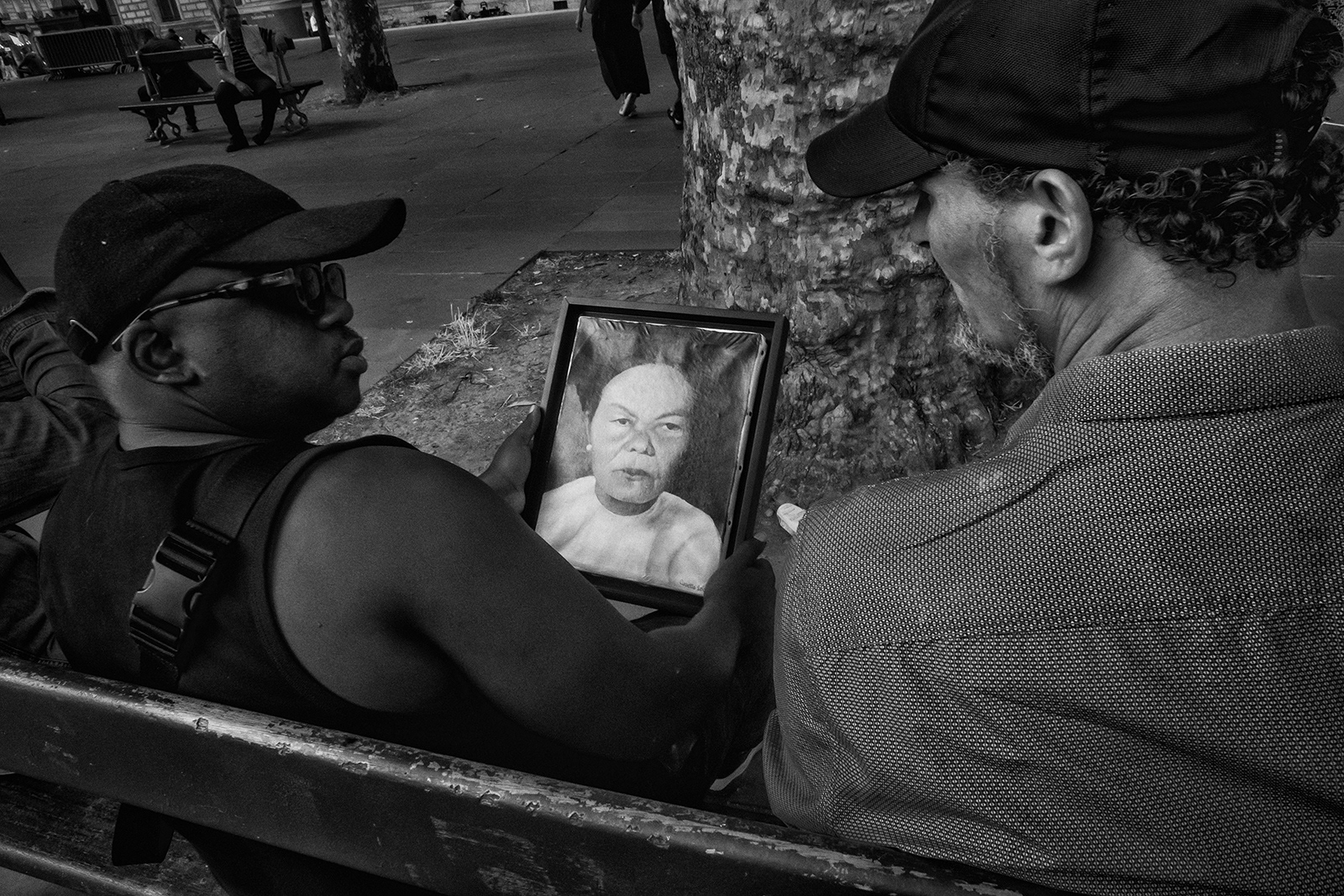
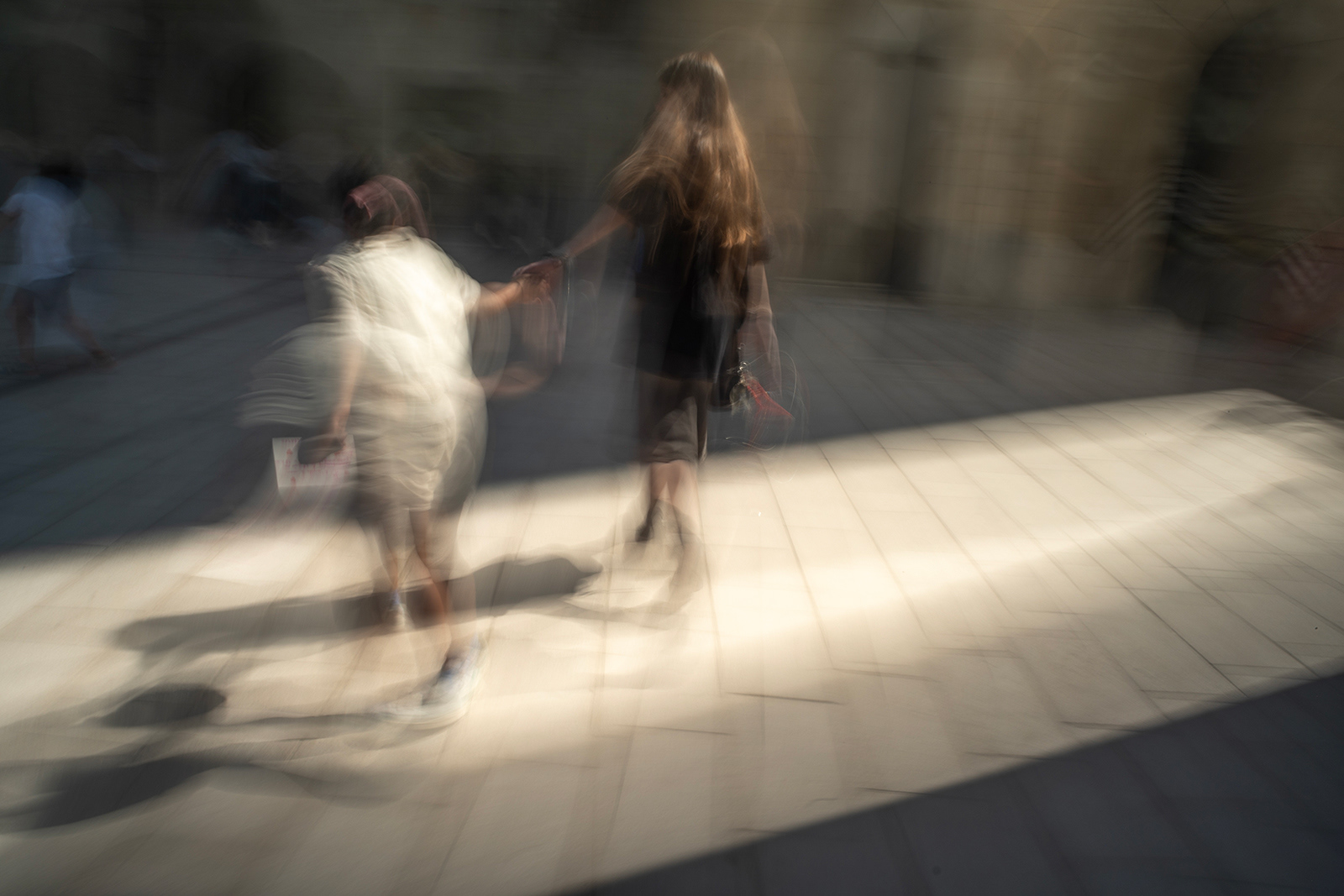
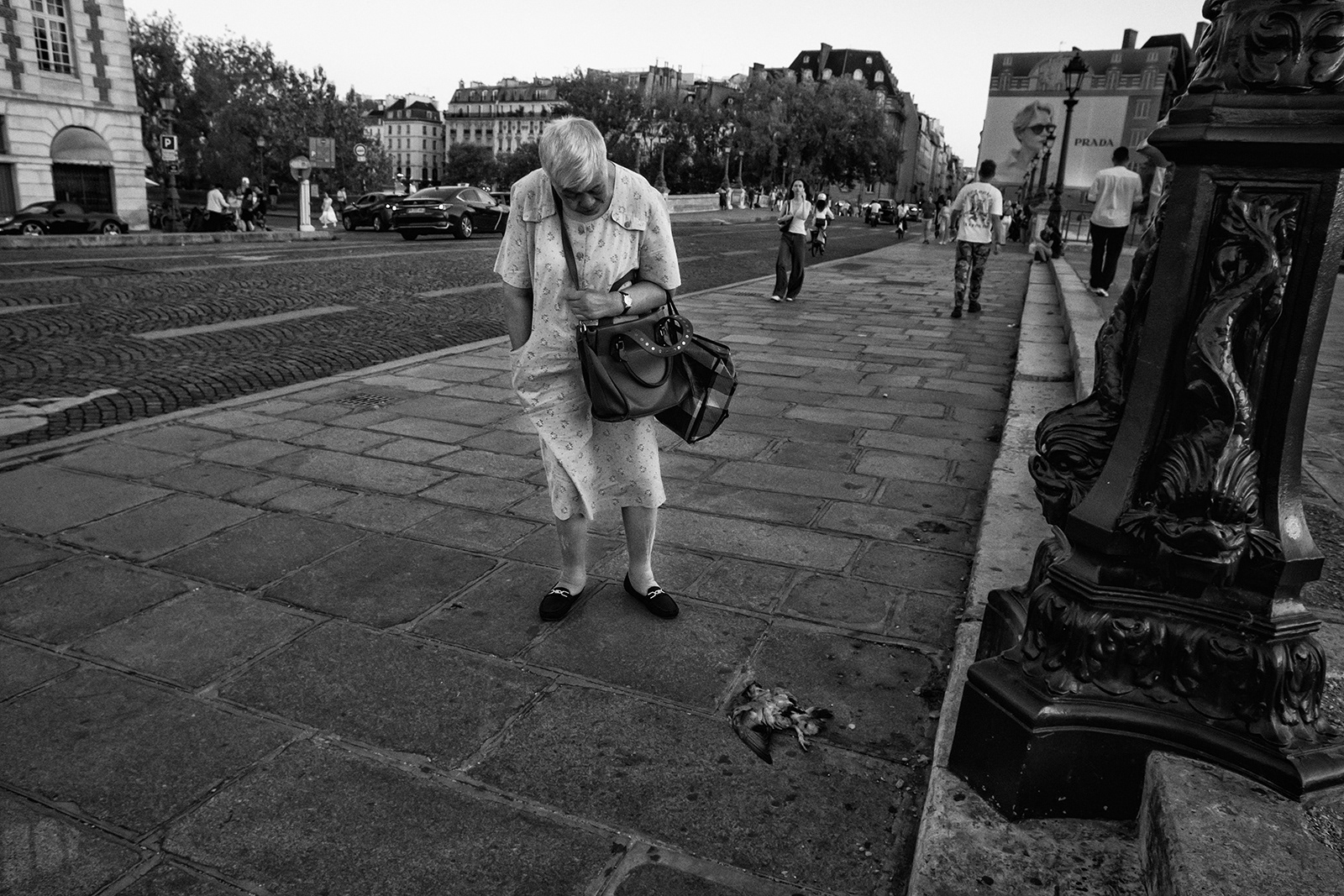
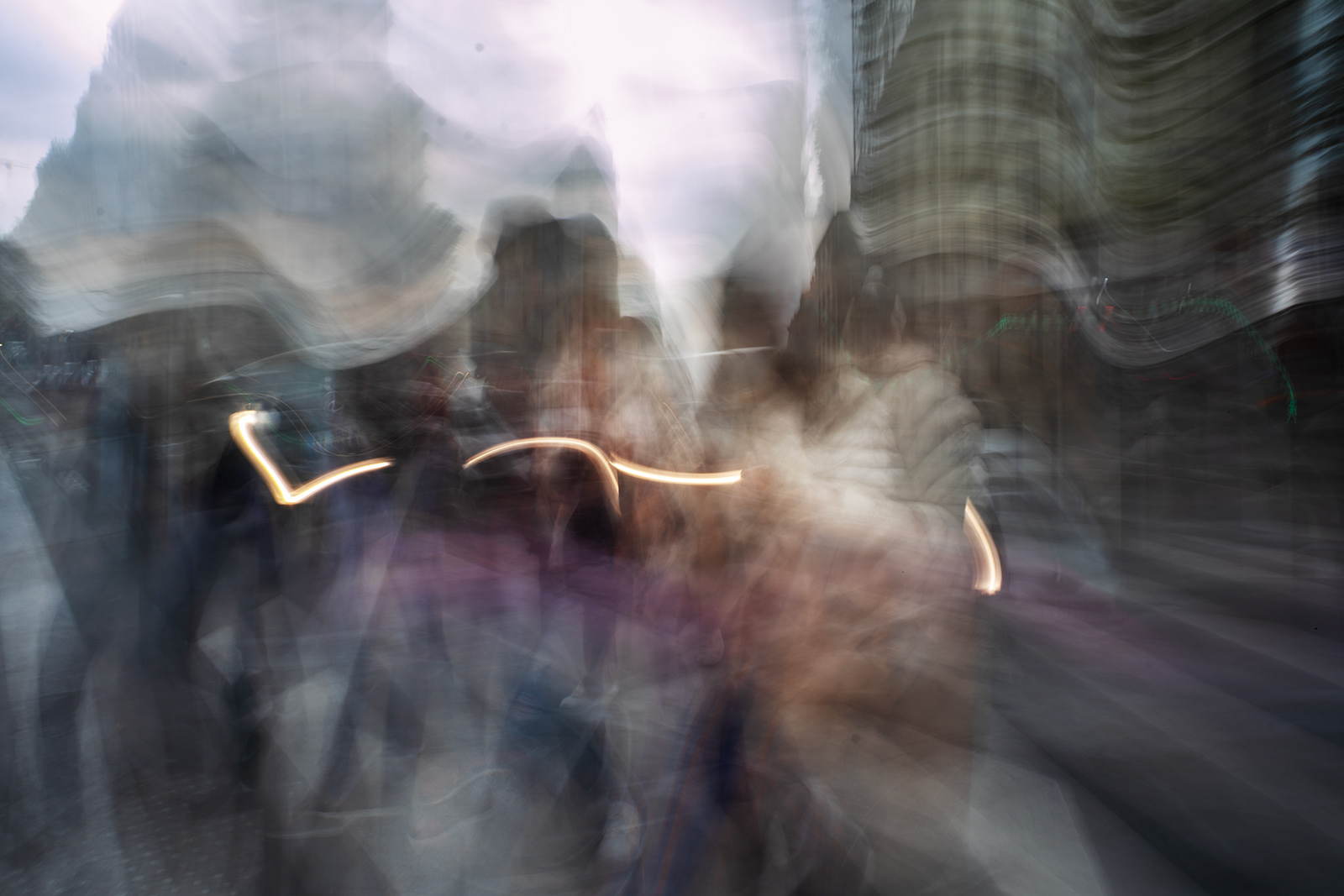
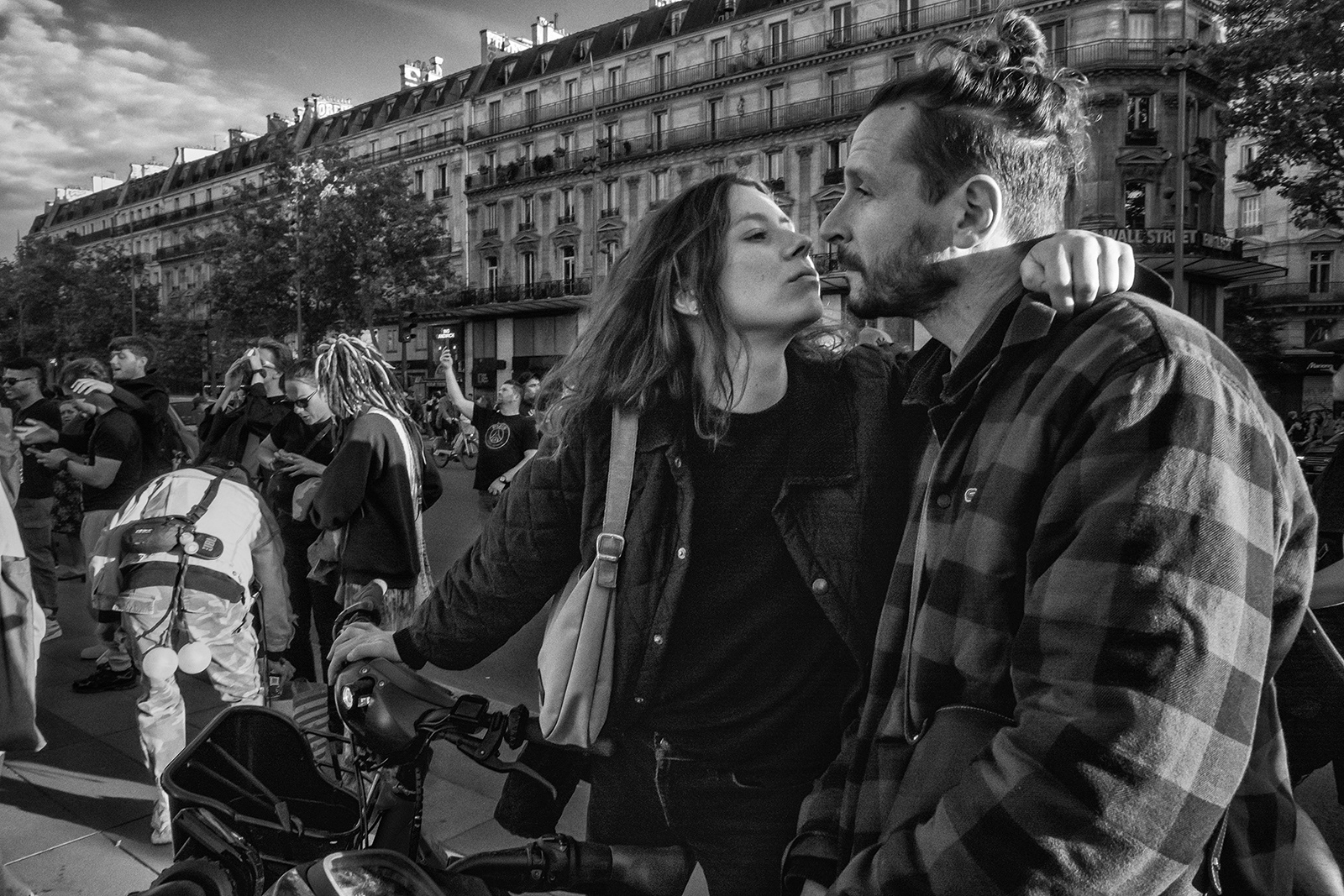
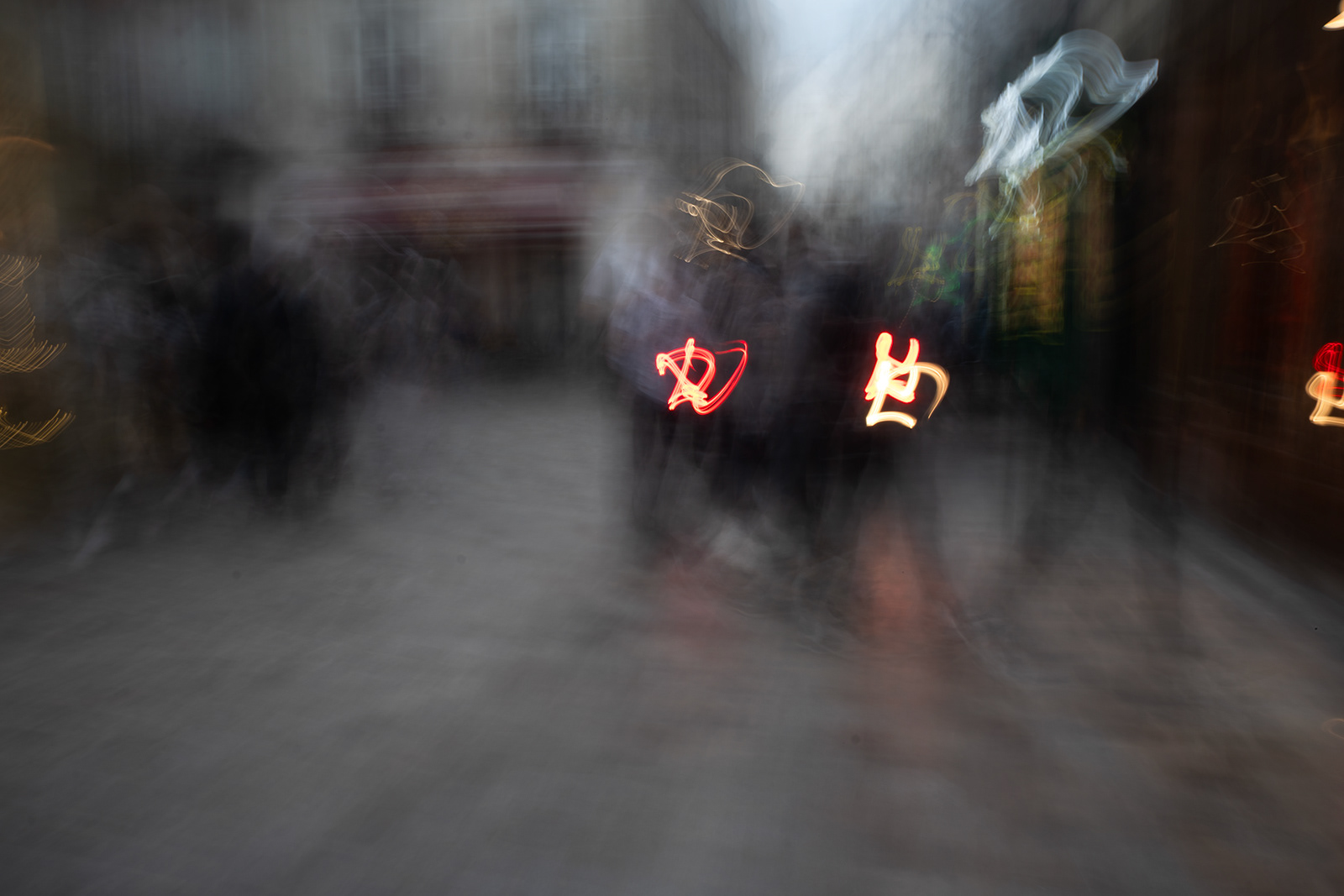
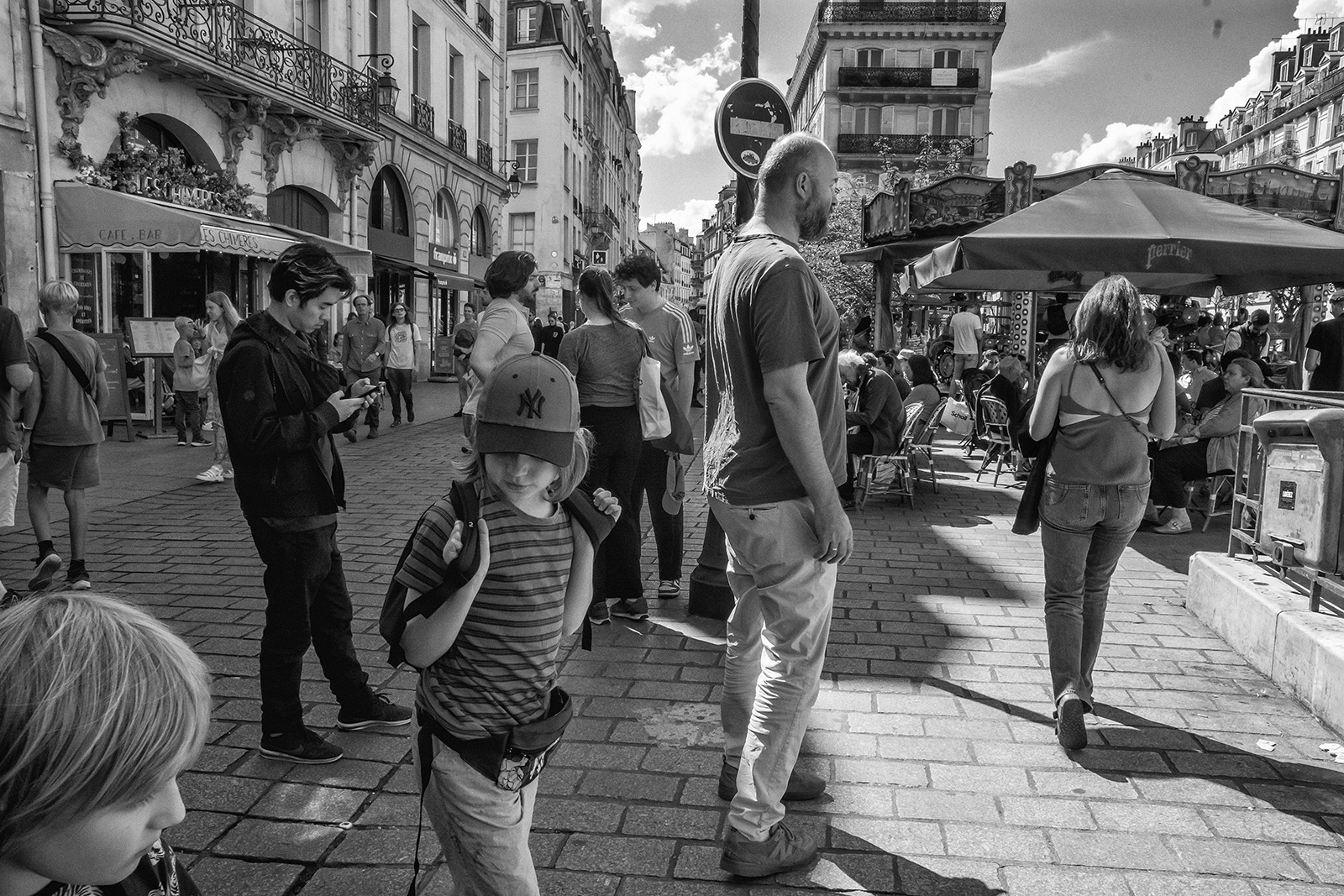
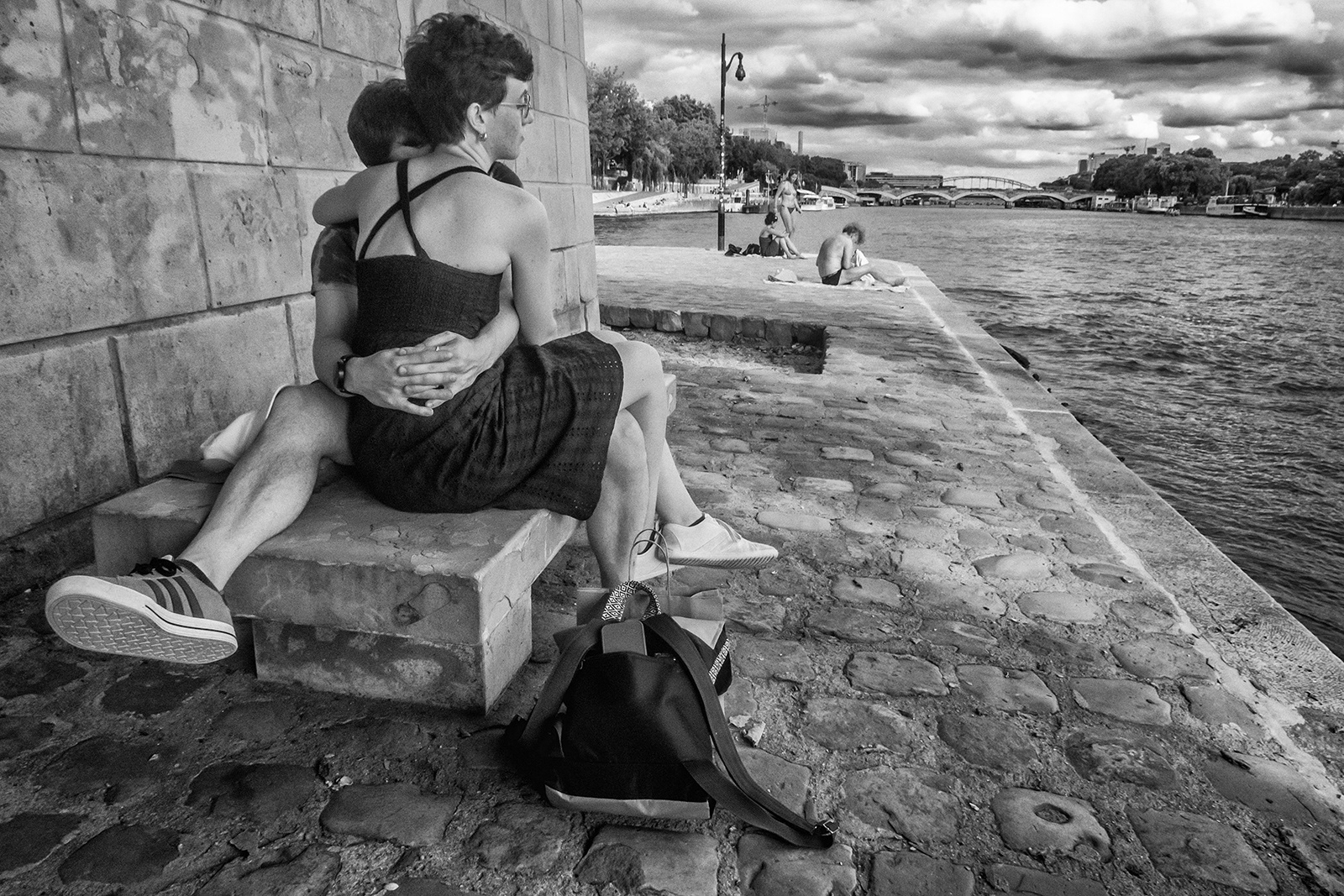
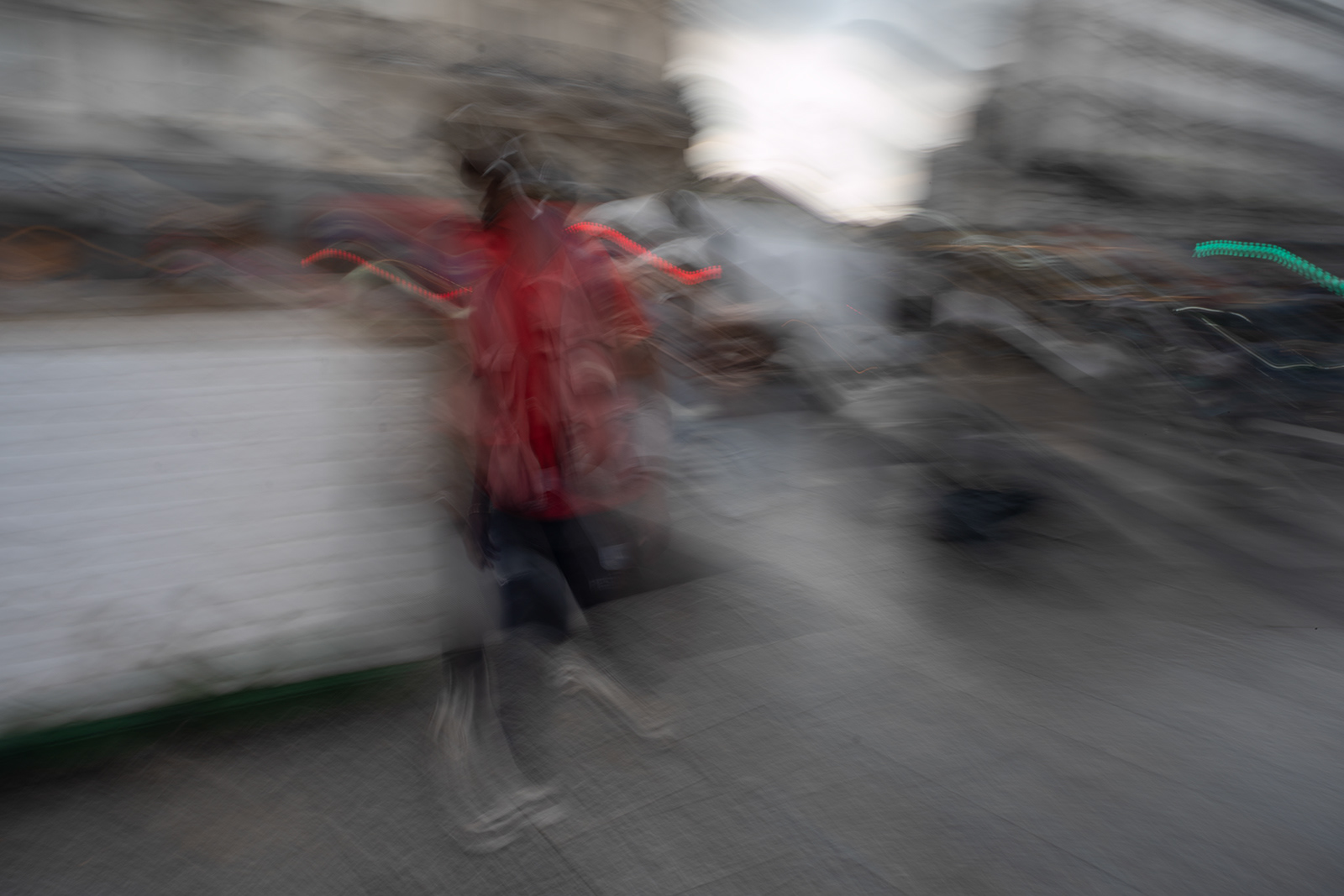
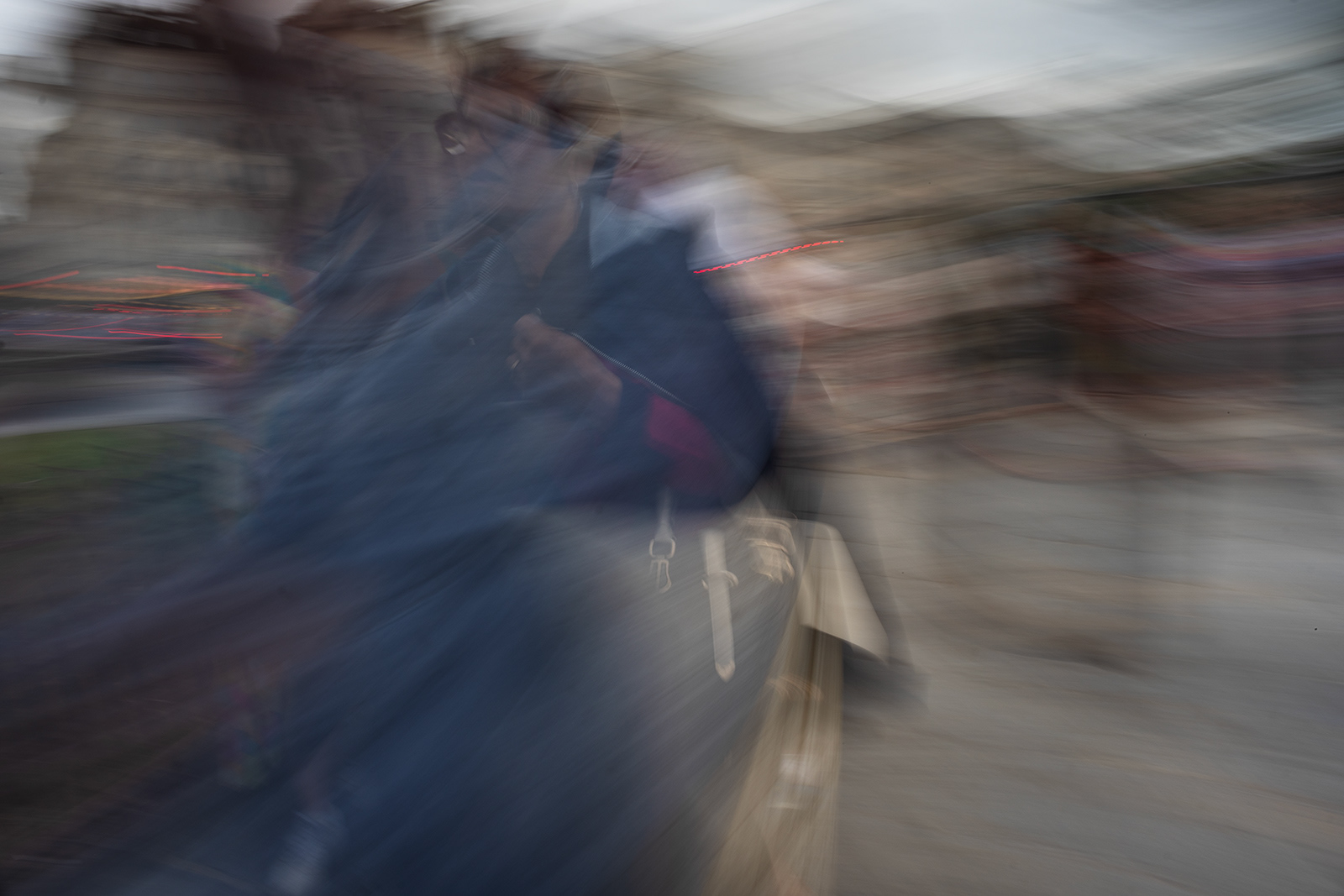
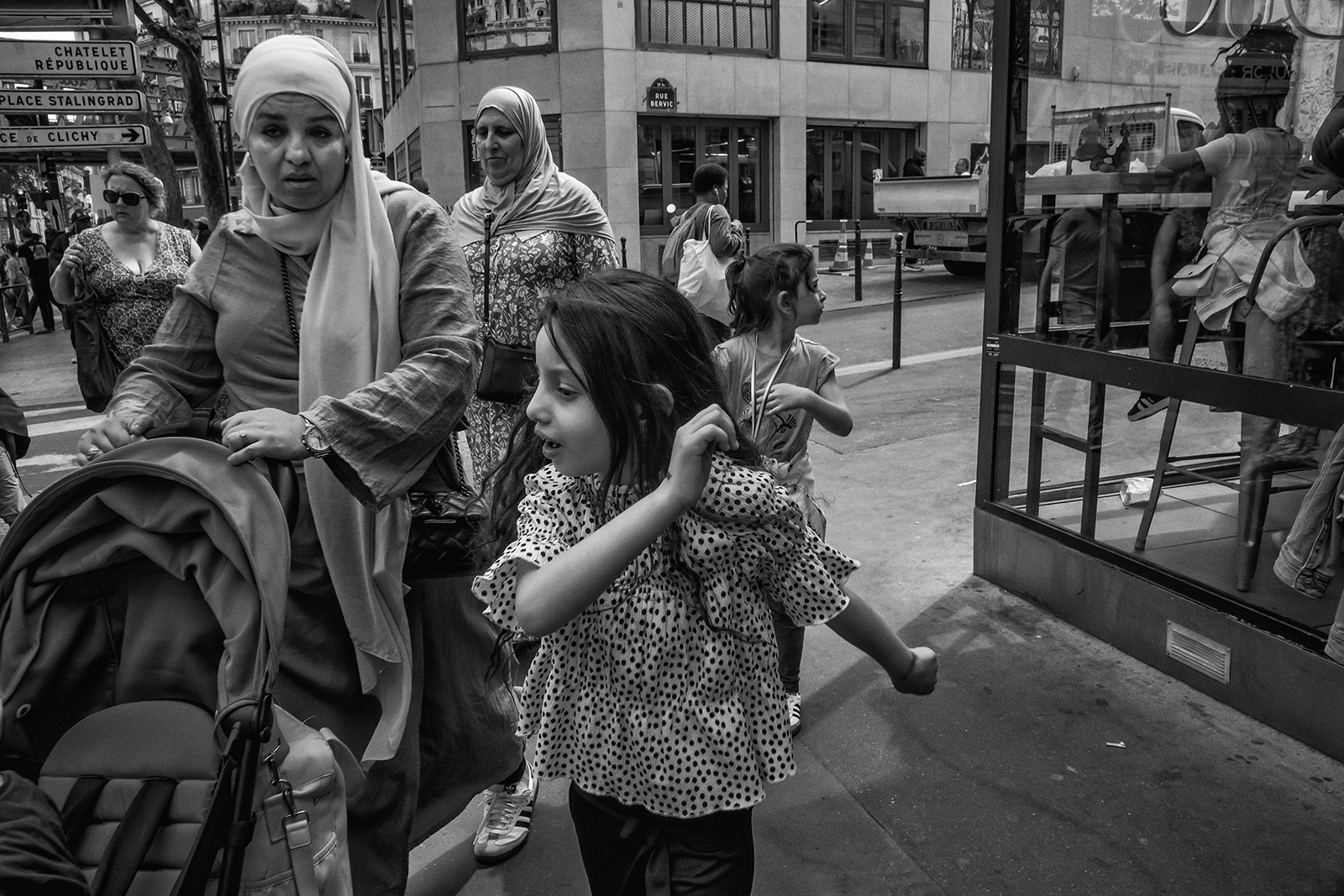
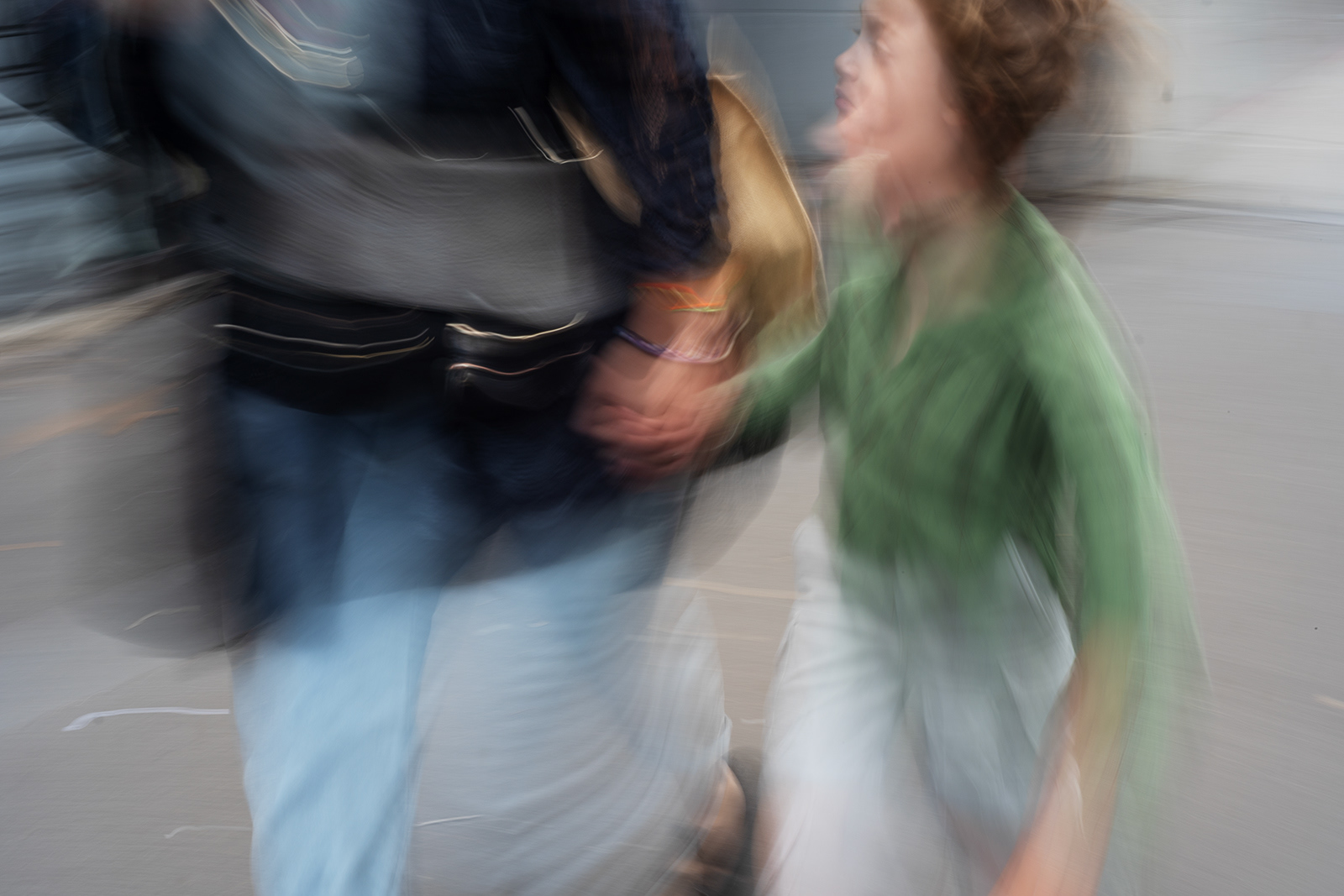
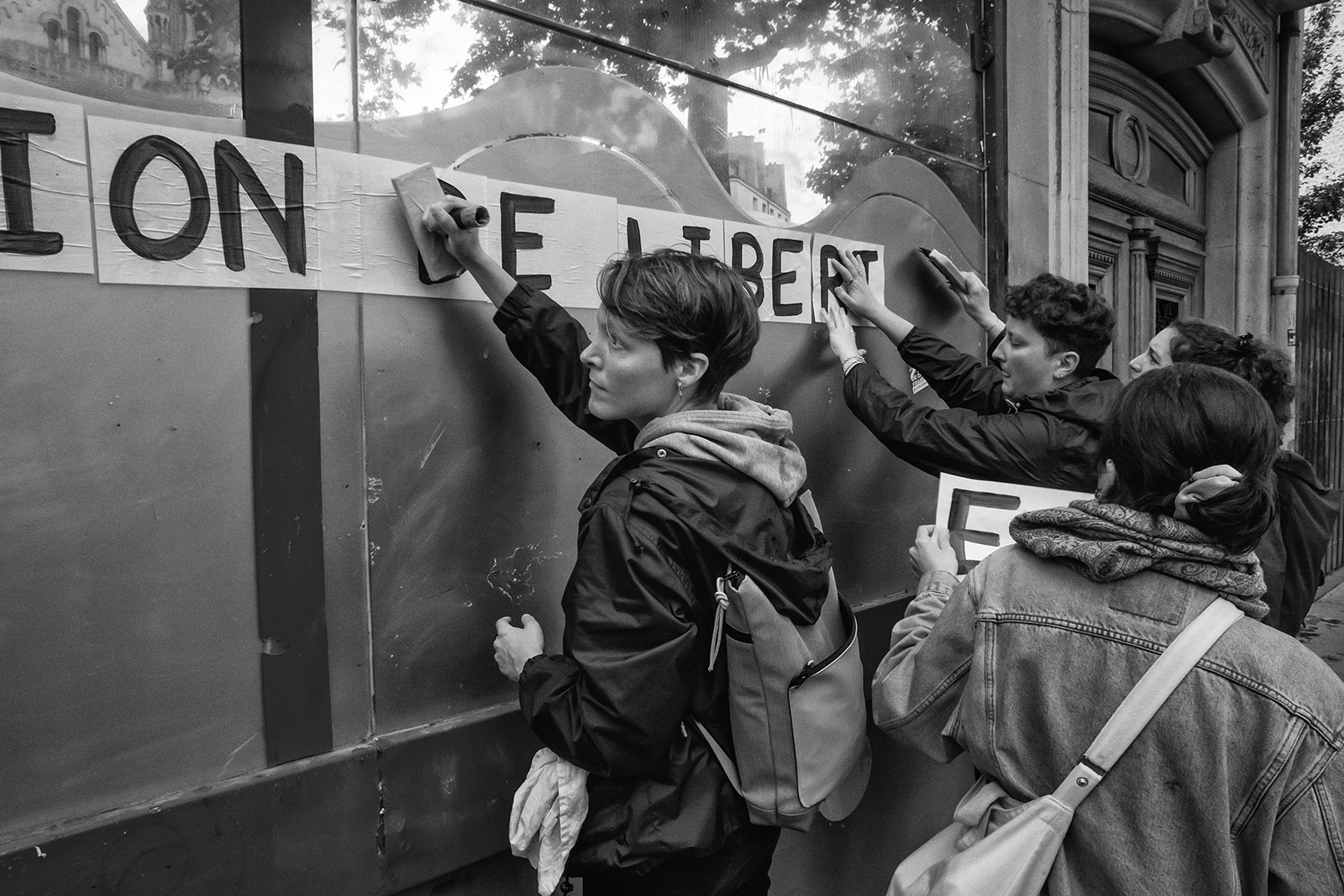
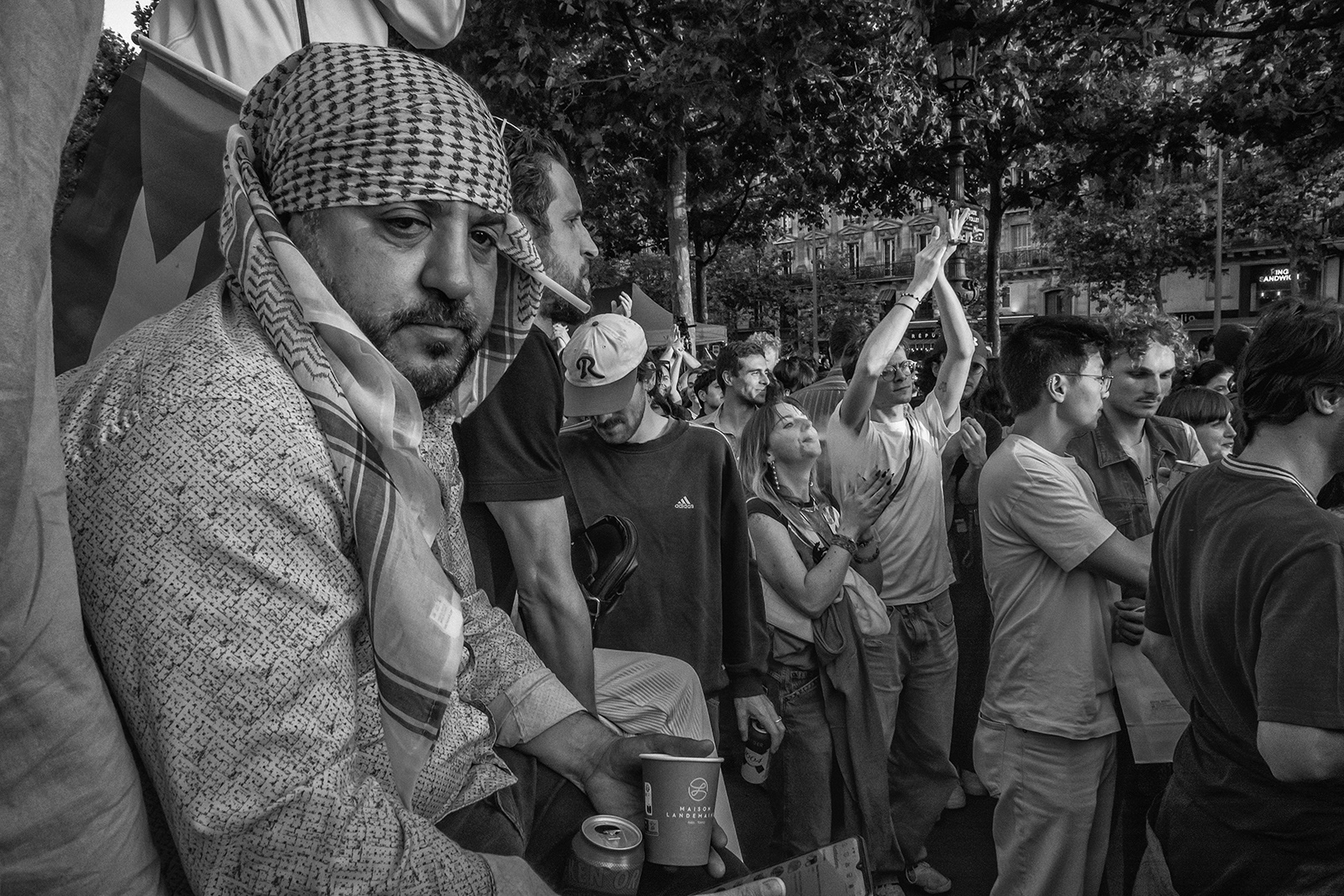
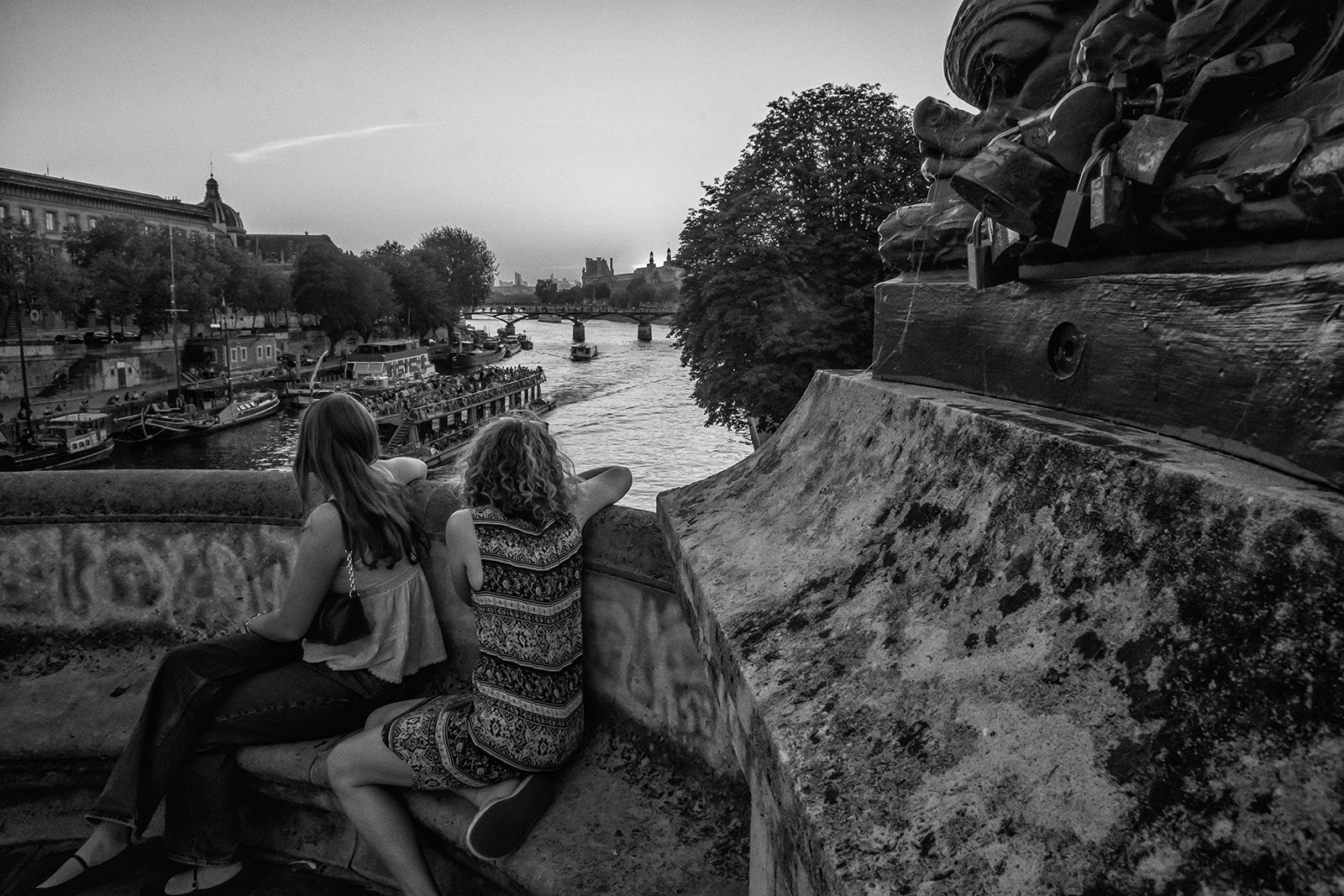
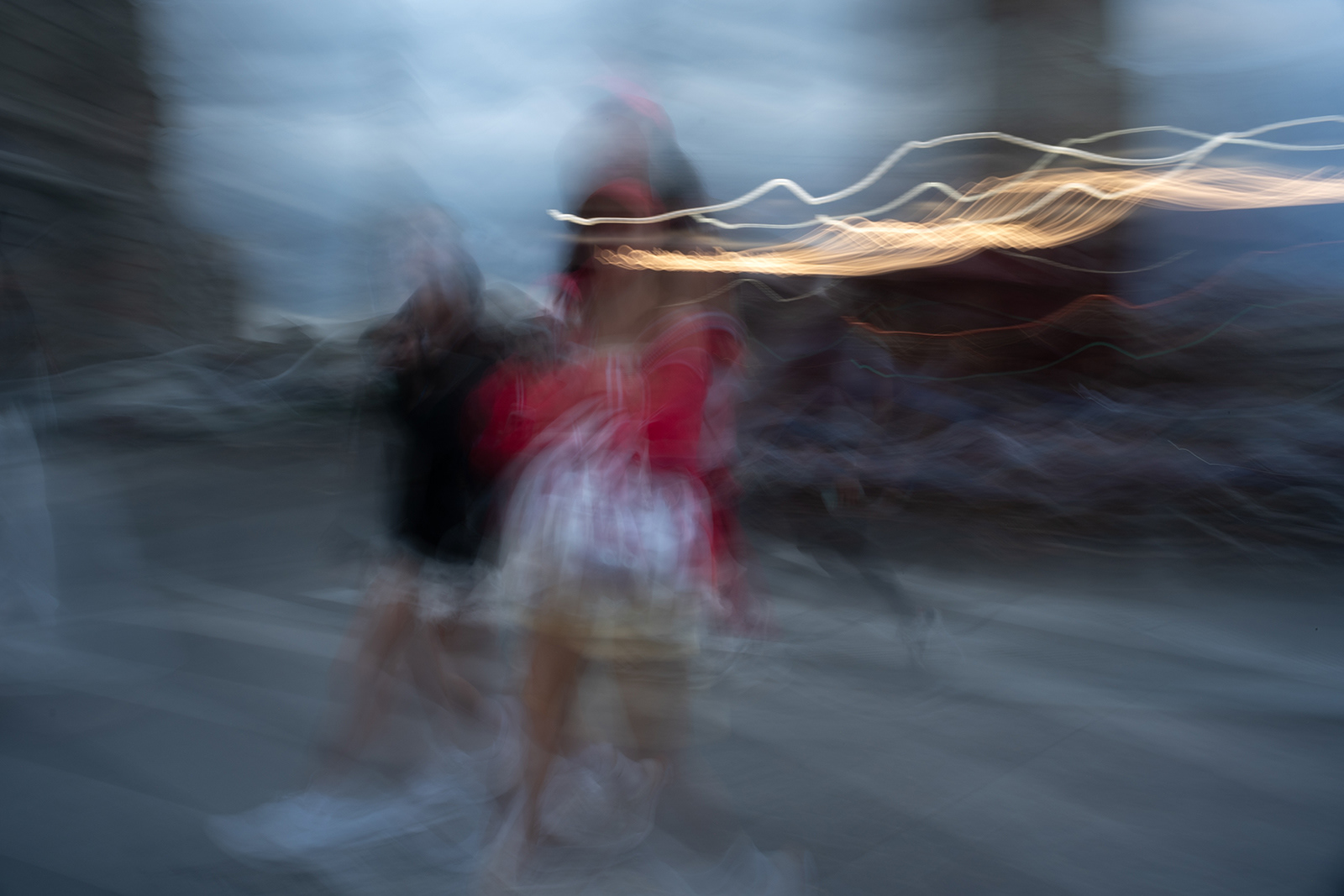
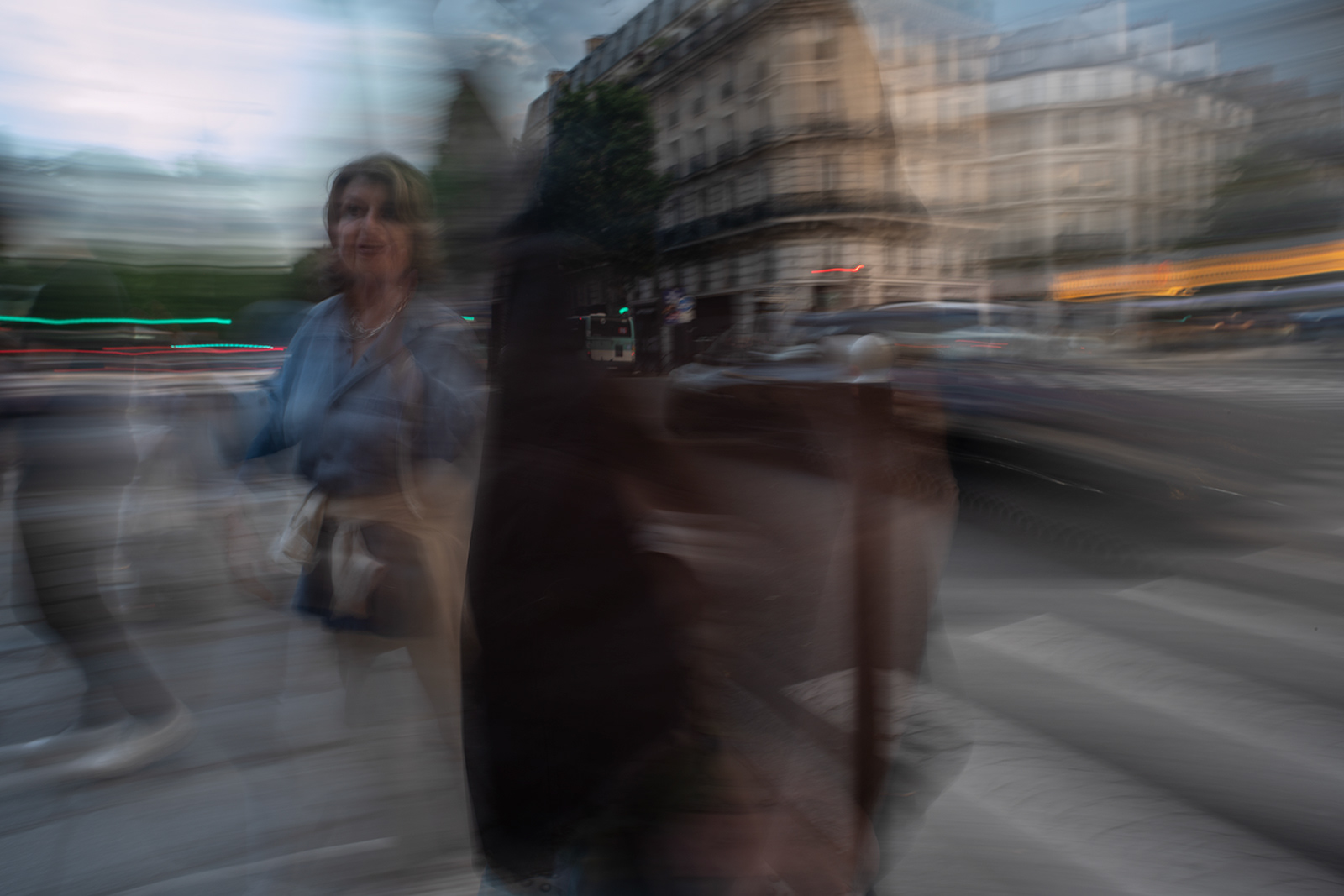
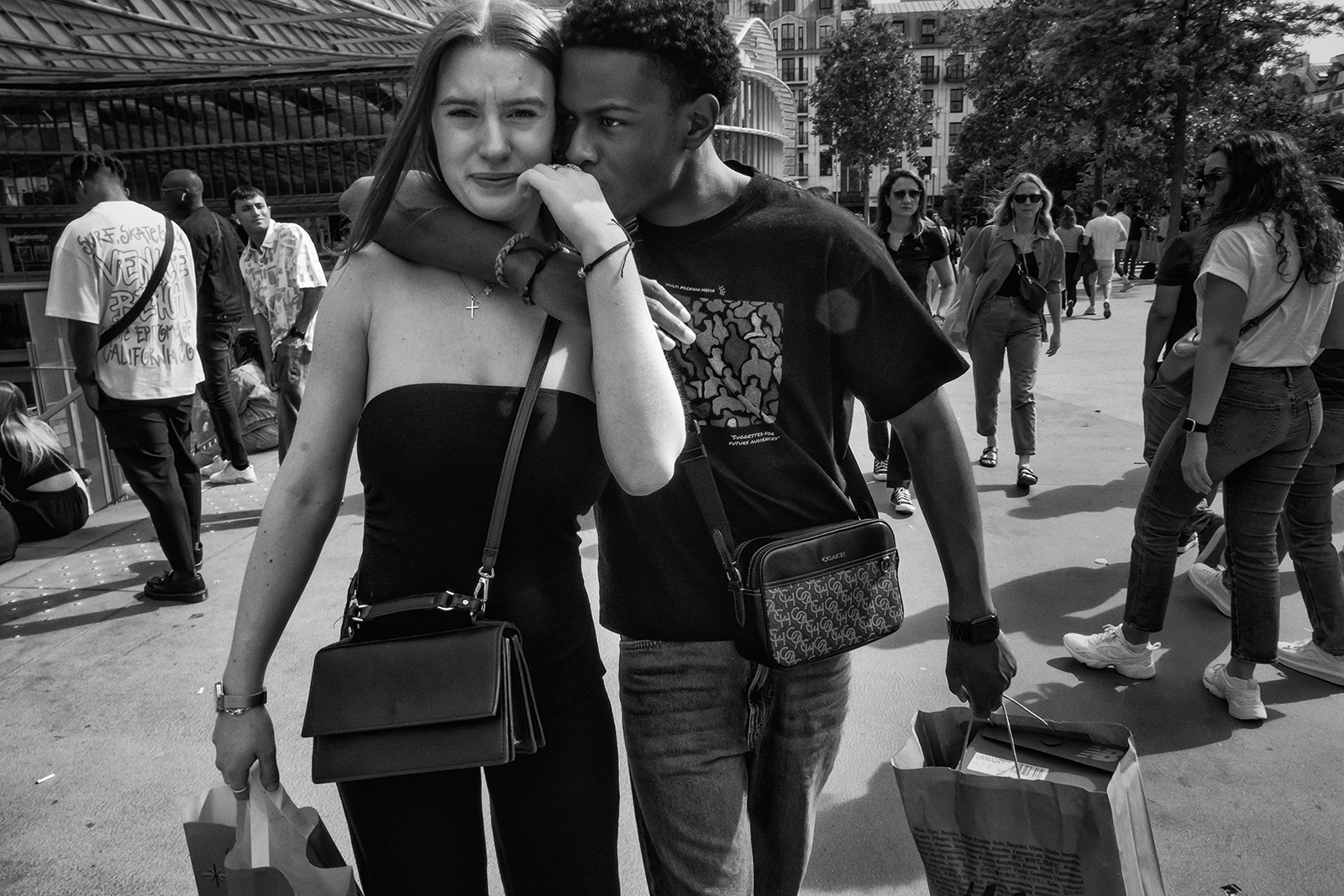
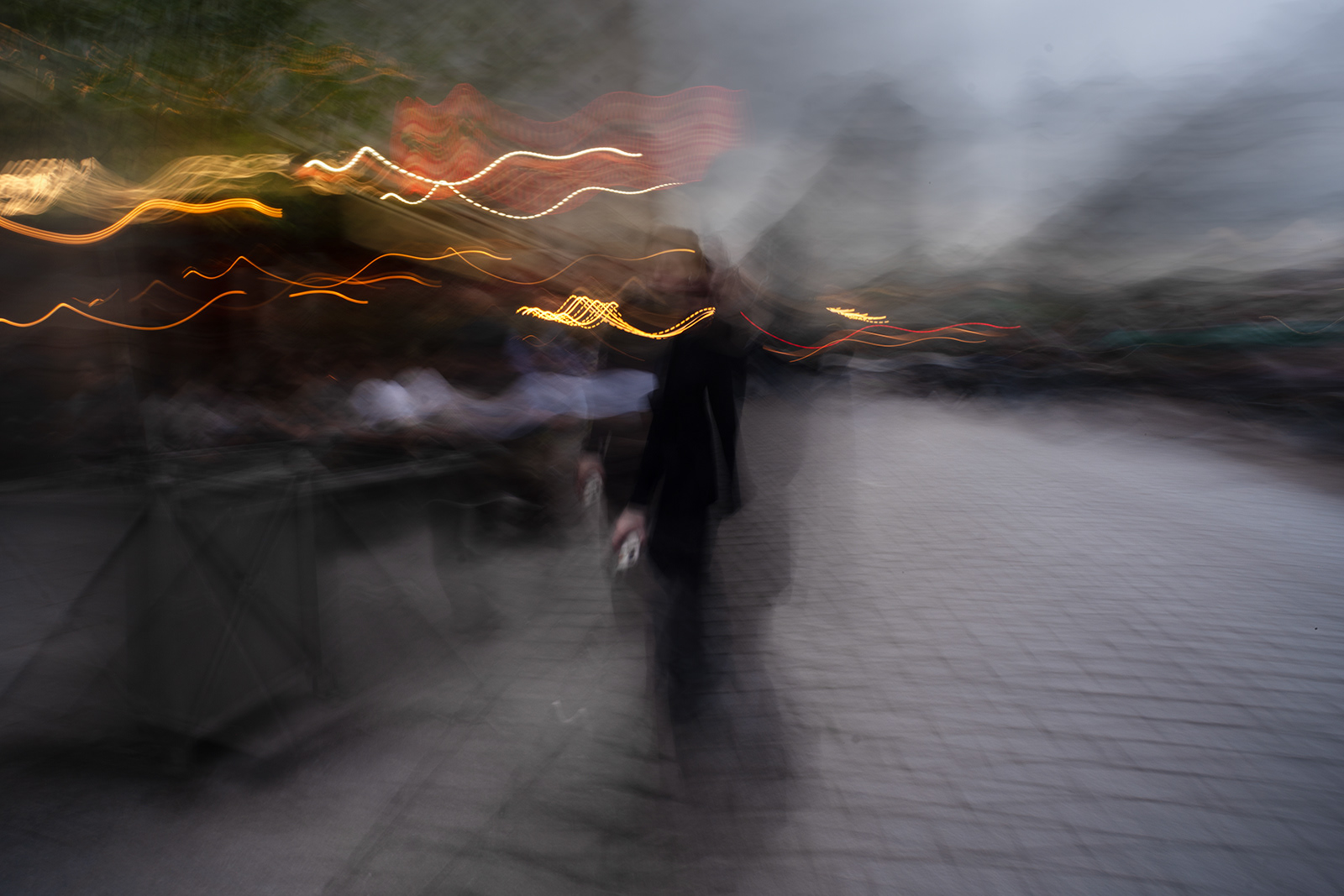
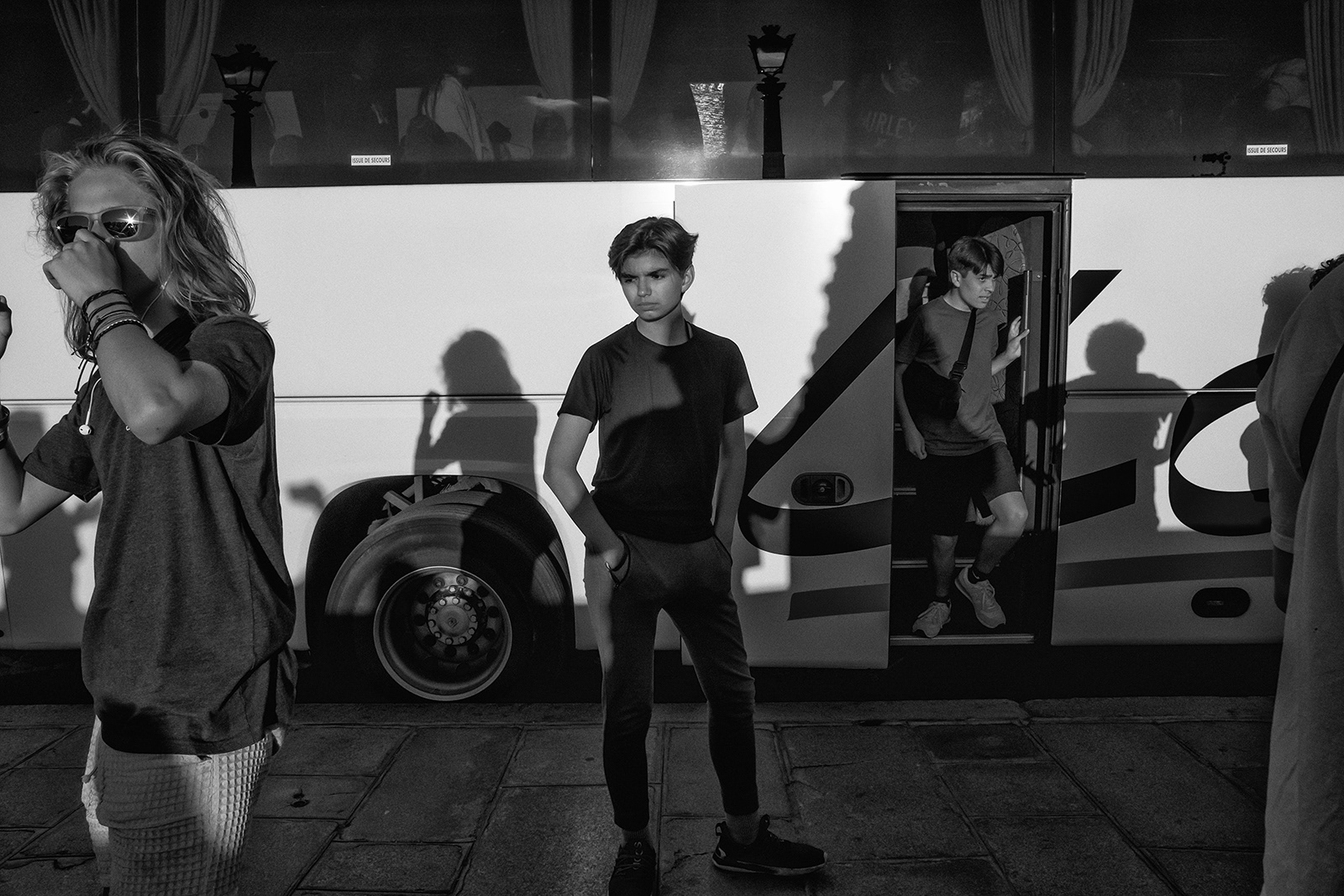
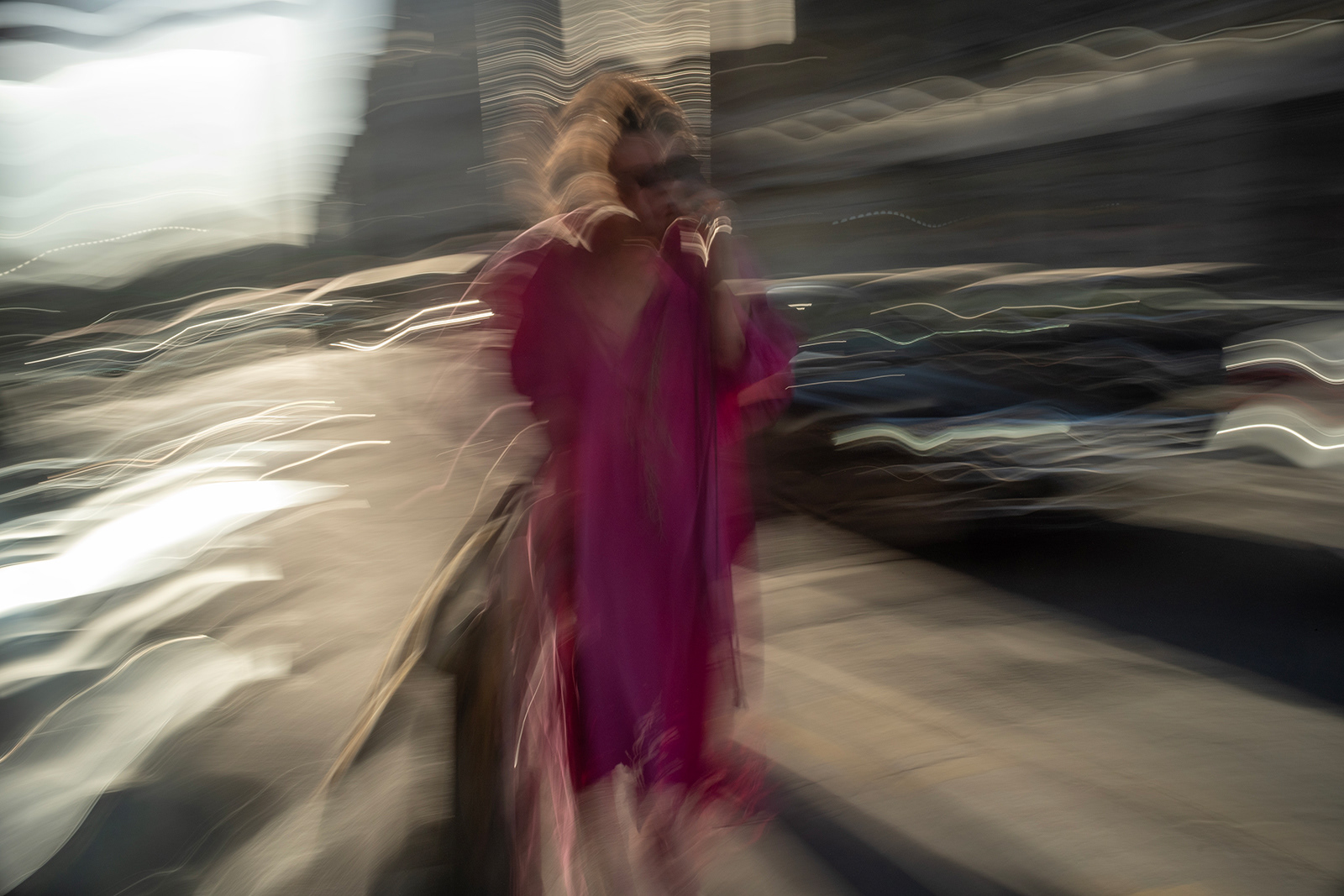
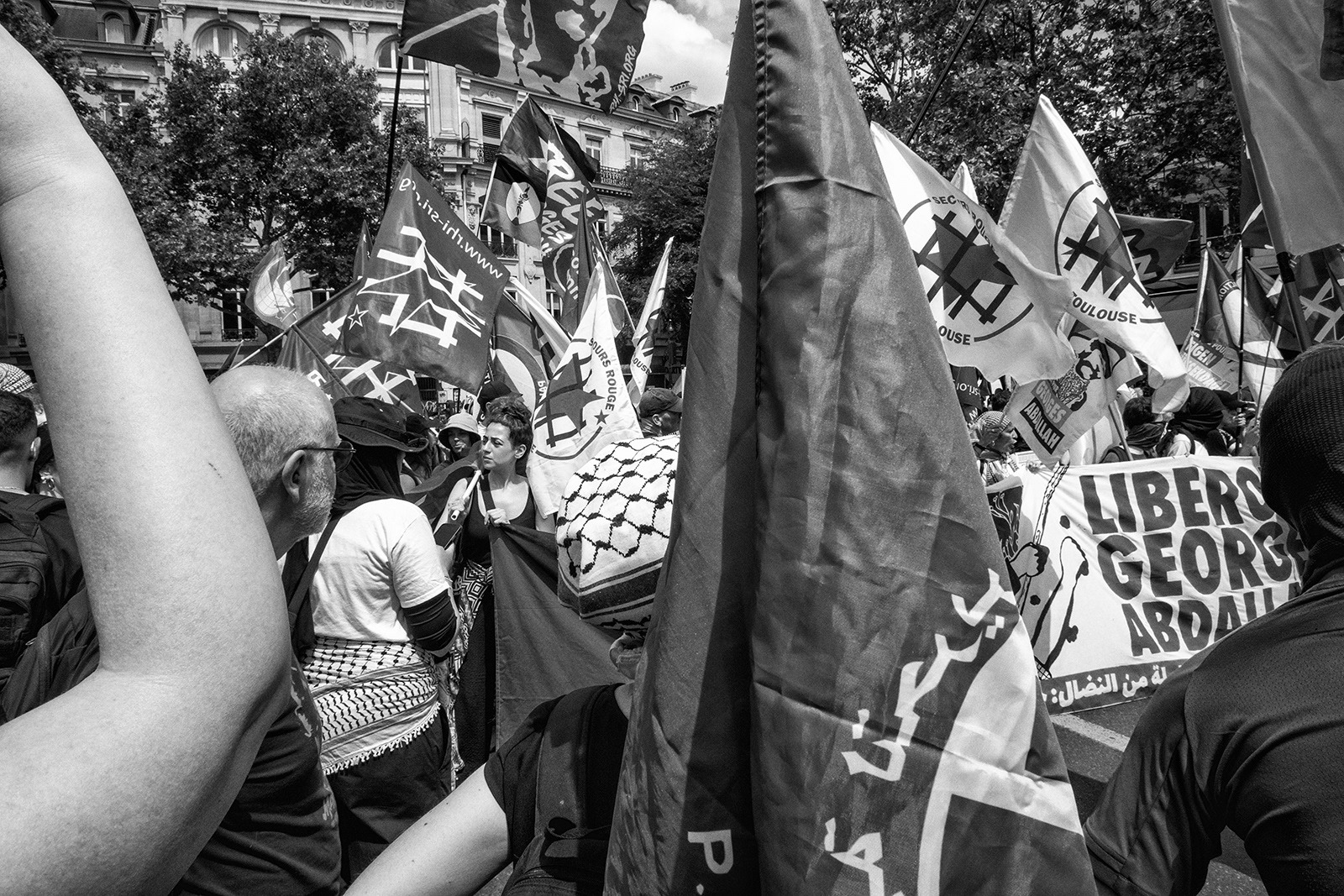
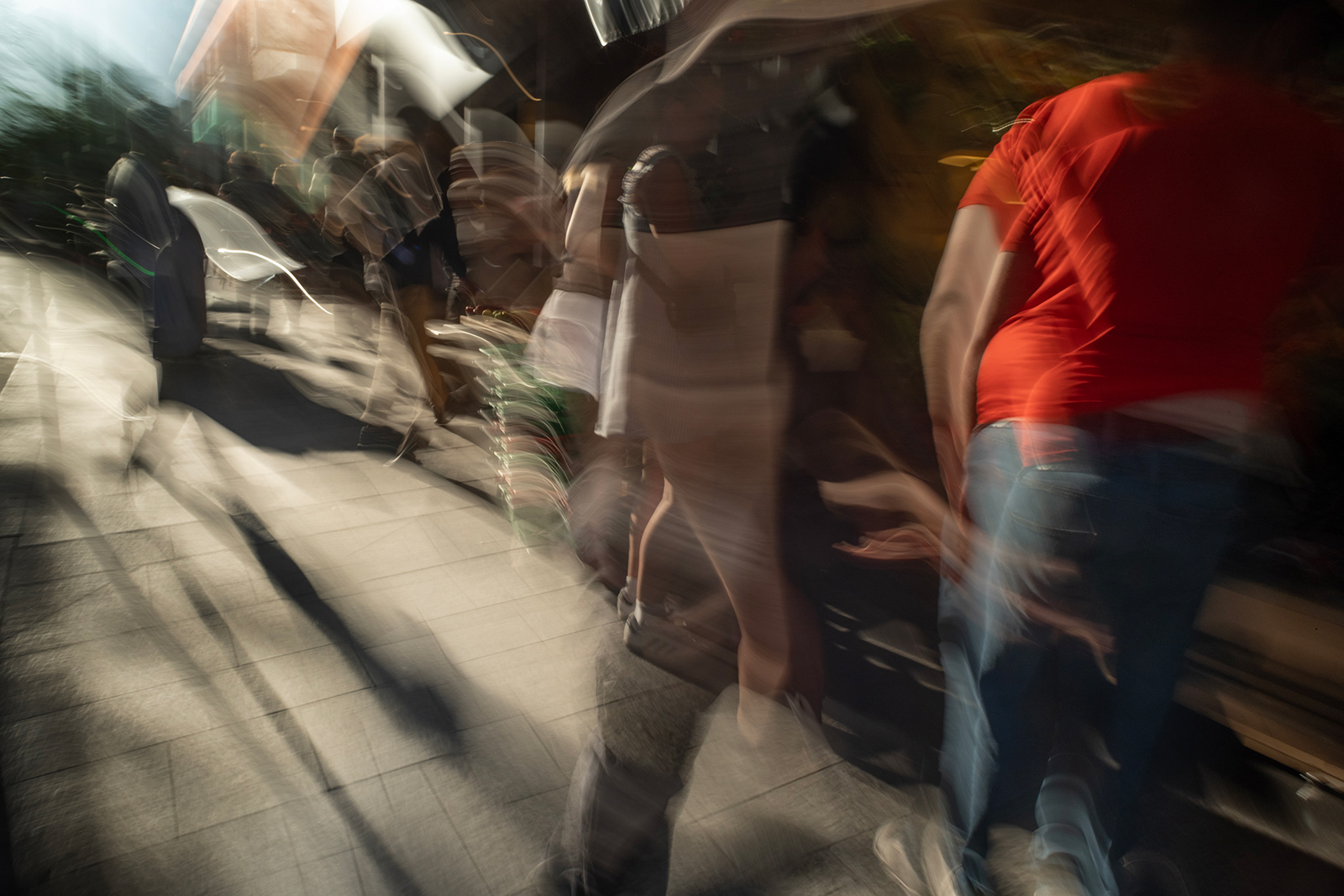
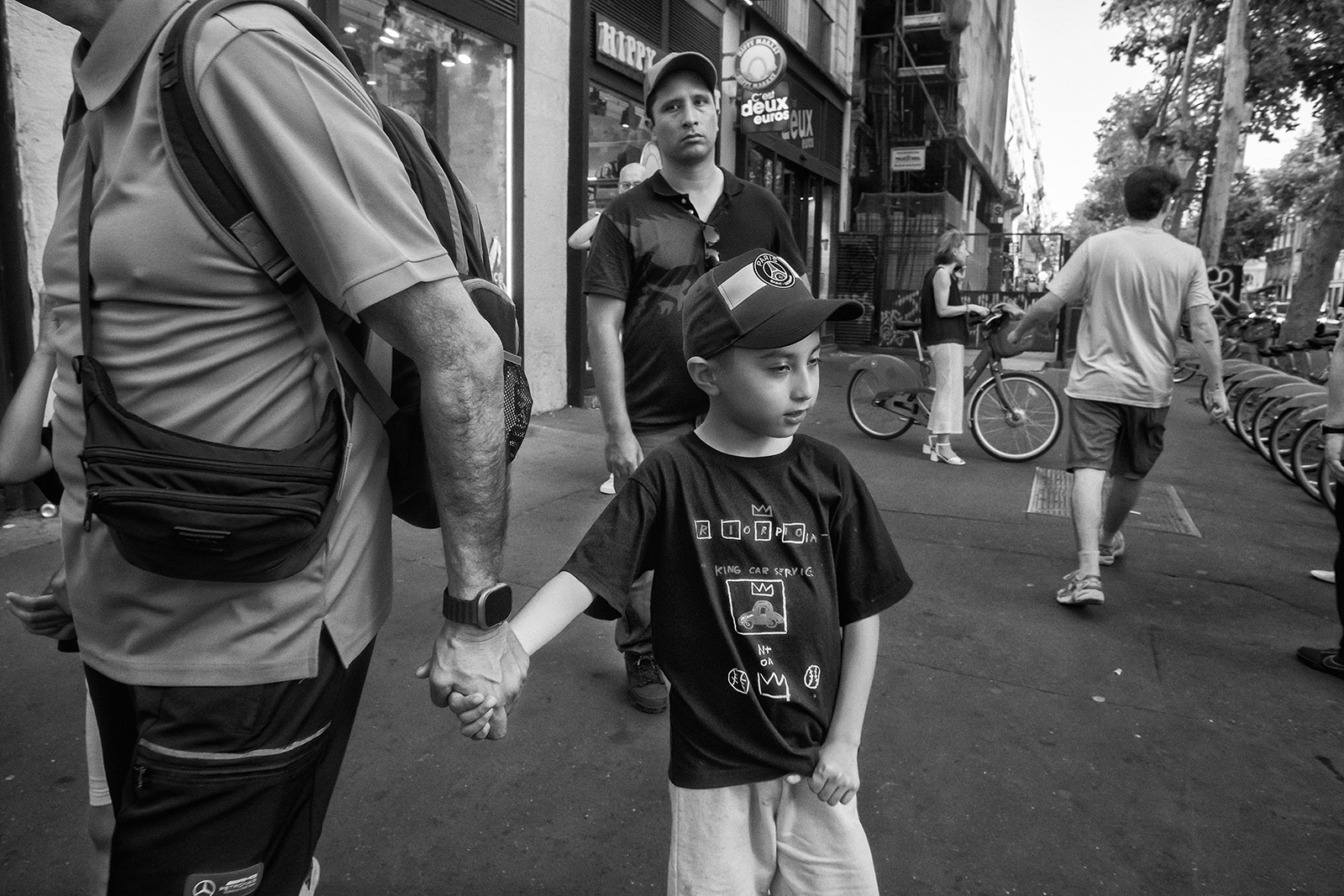
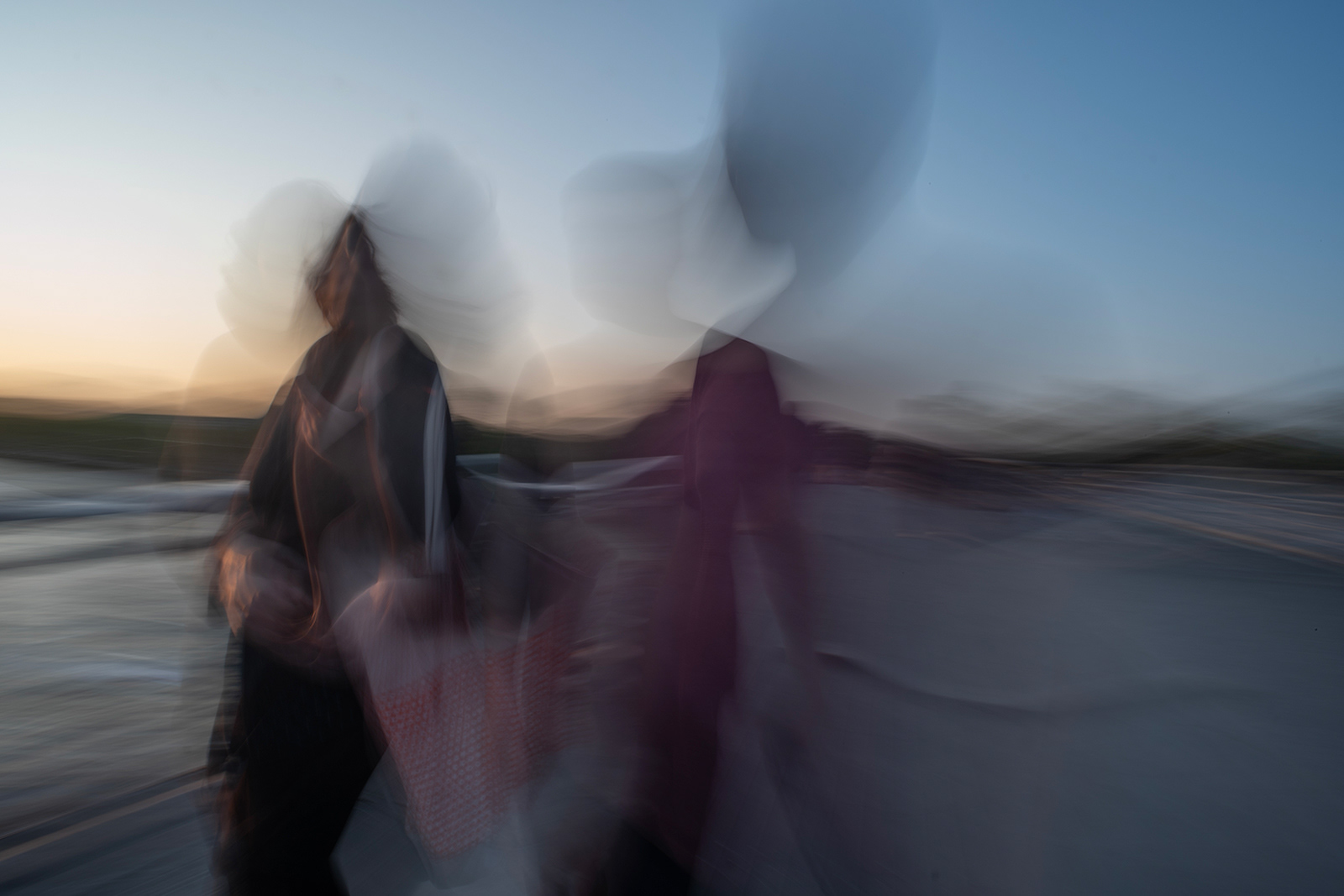
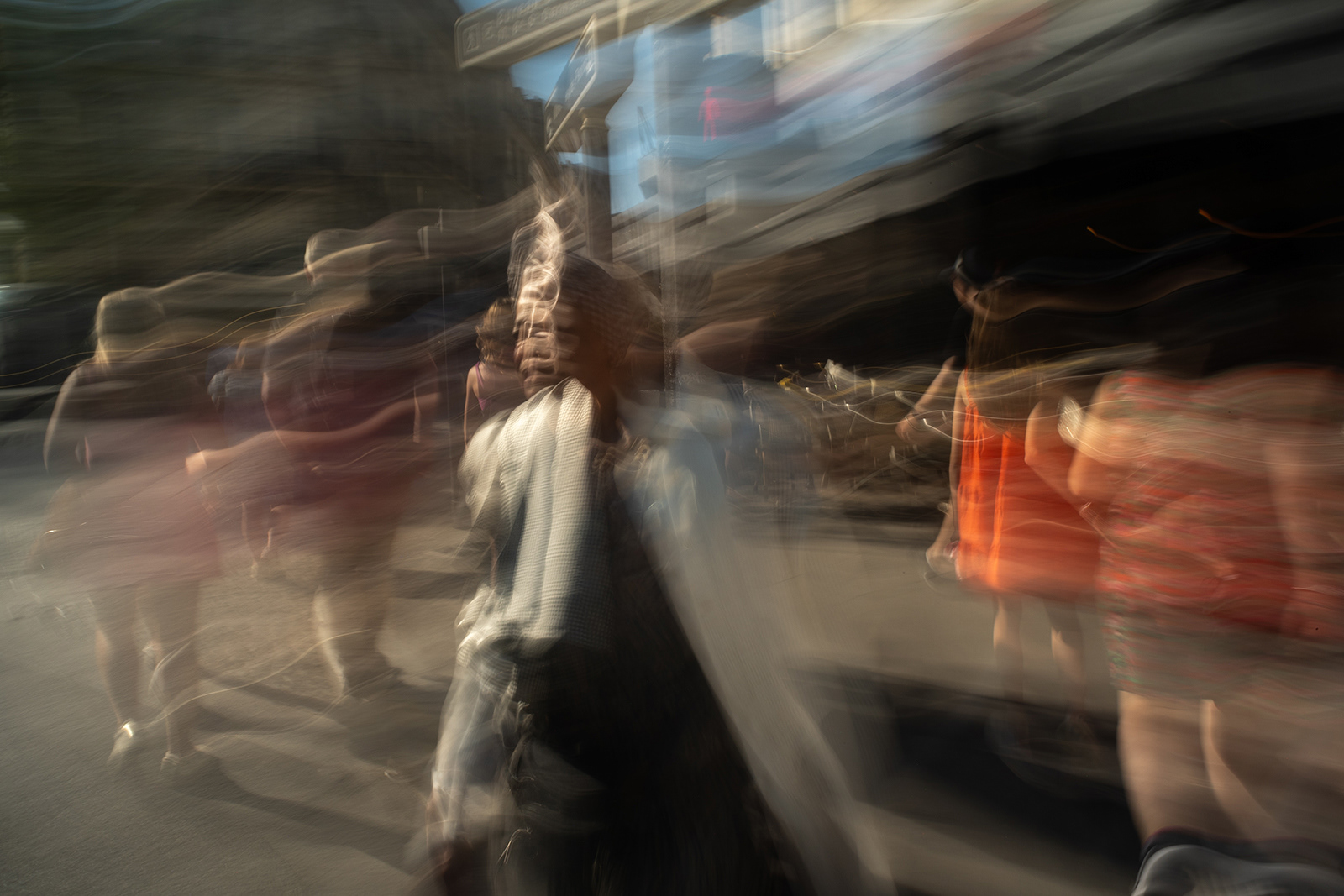
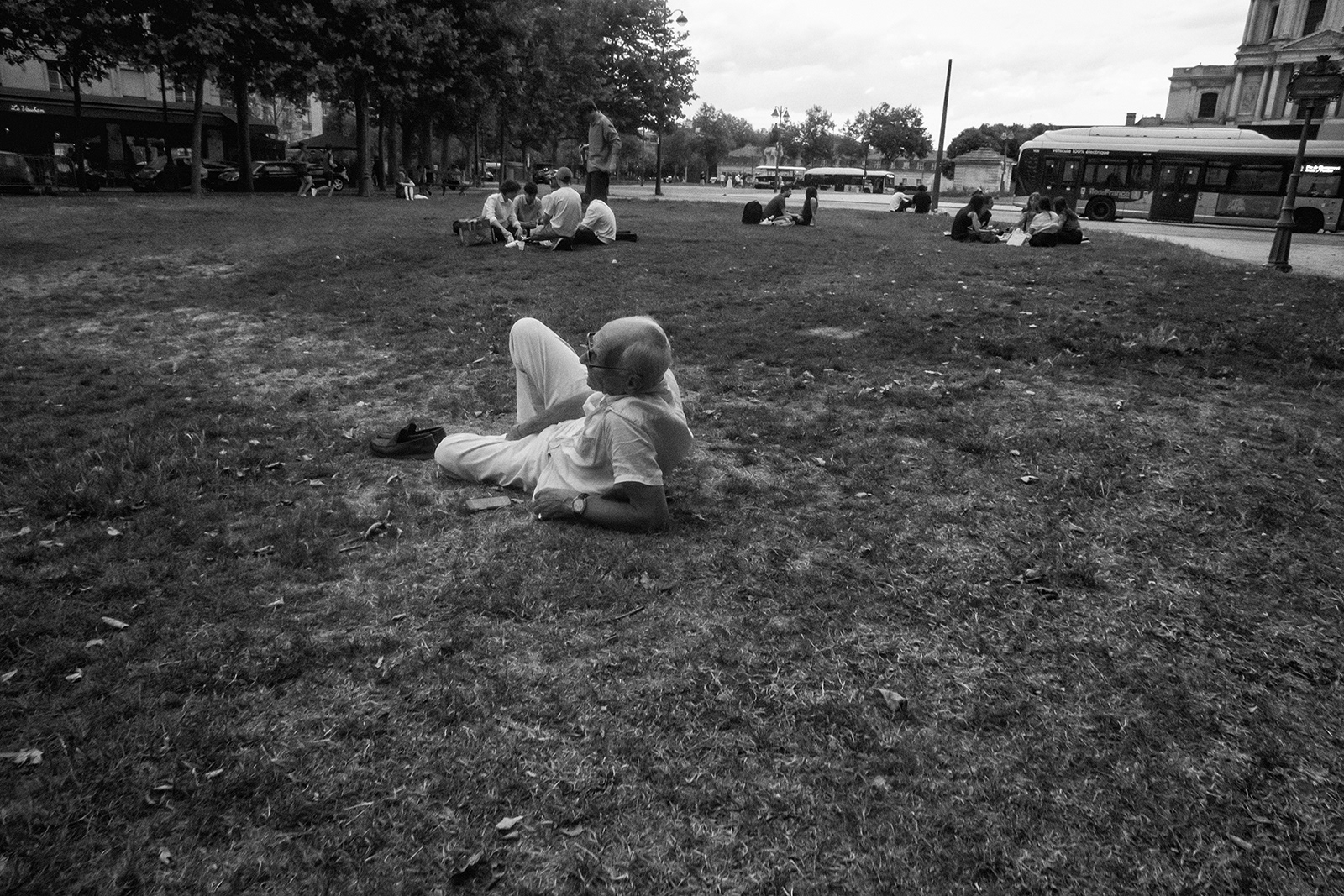
The photographs here ply together two strands of work made in the streets of Paris, one in black and white and the other in color. Both types were made with the same camera and lenses—a Leica SL2-S with Leica R glass (a 28mm f/2.8, a 24mm f/2.8, and a 50mm f/2). While photographing, I made both kinds of photographs concurrently, switching from one style to the other according to my mood. While both types of photographs belong to the practice of "straight" photography—all of them are unscripted observations of something happening in the place of the public, with digital post-production limited to contrast and color control only—I see both types of photographs as experimental. Using very different visual vocabularies, both are directed toward the spontaneous and the unpredictable, the near-graspable and the ungraspable, or what I might call the exploration of the basic virtue of curiosity about the ways the outer world and the inner world encounter one another. That curiosity is staged here as a pictorial dialectic between different states of energy conservation and flow, and different aspects of action, will, and purpose—some completed, some incompleted, some more hidden and some less.
Or to say it as a question: if we can say that human beings participate in human being, and if human being is ultimately verb-like—active, processual, conditional, expressive of qualities of occurrence—what might this "human verb" look like? (And how does photography's subtle and rebellious nature inflect such a thought—the ways photographs present, by turns, the visible as the medium of the invisible and the invisible as the medium of the visible? Photographs, mercurial creatures: blink things into appearance, then linger what they blink, then metamorphose what they linger from presence to impresence, then banish what they metamorphose with blunt indifference.) One of the leading quotations for me in doing this work has been Antonio Machado’s simple-and-difficult definition of poetry (understanding myself to be working with poems in a visual lexical form): “la palabra en el tiempo,” the word in time, which in my transposition becomes “the image in time.” I want, in the spirit of Machado, that these photographs communicate what it is to be situated in the eventfulness of time, and what it is to feel time enacting itself through our bodies and our minds in motion, the human psyche as subject to time's energies. And it seems important to me to search through all of this in public places, where the city shows both the discontinuous and fluent aspects of time, and makes available the collective body of the human in special ways.
I have organized the photographs into sequences of 36 pictures according to a specific repeating pattern, and made five movements, along with an introduction and a coda. The term "movement" seems right to me, referring both to the reckoning with change that is at the heart of the work itself, and to the convention of organizing musical works classically into (unstill) sections. On this web page—the primary site of the work's presentation—the organization can be seen in two ways: scrolling vertically shows the larger organization and the pauses between the movements; clicking on any image gives way to a slideshow, a more immersive encounter with the images. The latter is best viewed on a monitor rather than a phone.
Paris, 2024-2025